History Made: PM Modi Surpasses Nehru to Become India’s Longest-Serving Elected Prime Minister
A Historic Milestone in Indian Democracy
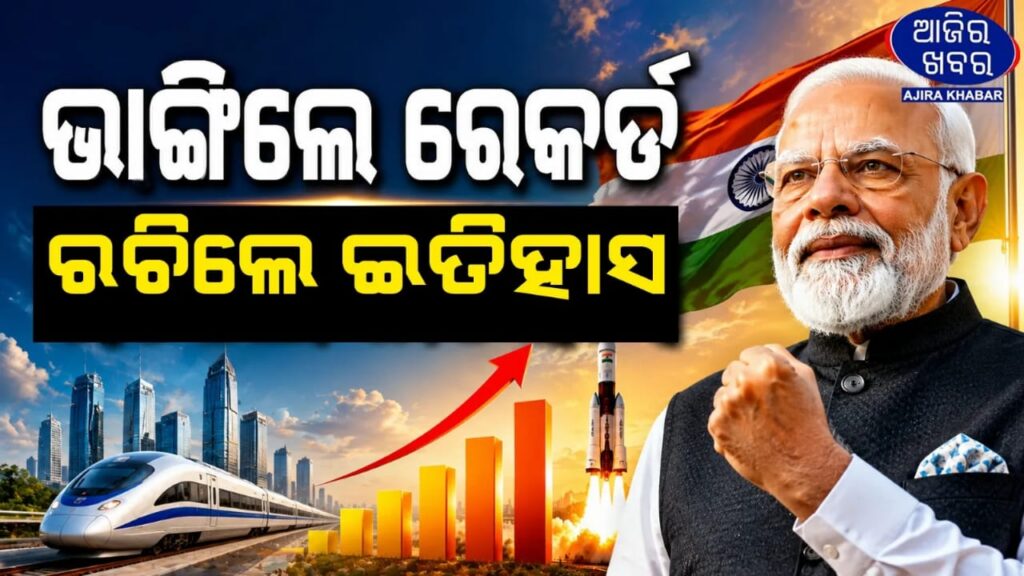
Prime Minister Narendra Modi has etched his name into the annals of Indian political history by becoming the longest-serving elected Prime Minister of India. On June 10, 2026, Modi surpassed the record previously held by India’s first Prime Minister, Jawaharlal Nehru, marking a significant milestone in the nation’s democratic journey.
The achievement reflects not only Modi’s political longevity but also the sustained electoral mandate he has received from the people of India over the past decade.
Breaking a Record That Stood for Decades
After India gained independence in 1947, Jawaharlal Nehru served as the country’s first Prime Minister. However, as an elected Prime Minister under India’s parliamentary system, his tenure is counted from the formation of the first Lok Sabha in 1952.
Nehru served continuously as an elected Prime Minister for 4,398 days. On June 10, 2026, Narendra Modi completed 4,399 consecutive days in office as an elected Prime Minister, thereby surpassing Nehru’s long-standing record.
This historic feat places Modi at the top of a distinguished list of Indian leaders who have shaped the nation’s political landscape.
A Journey That Began in 2014
Narendra Modi first assumed office as Prime Minister on May 26, 2014, following a decisive electoral victory. He went on to secure consecutive mandates in the 2019 and 2024 General Elections, becoming only the second Prime Minister after Nehru to lead a government for three consecutive terms.
Over the years, his administration has focused on infrastructure development, digital transformation, welfare schemes, economic reforms, and strengthening India’s global presence.
The continuation of public support across three national elections has enabled Modi to achieve a level of political continuity rarely seen in modern democracies.
Governance, Development, and Public Welfare
Marking the completion of another year of his government, Prime Minister Modi shared a message expressing gratitude to the people of India. He highlighted the government’s commitment to development, public welfare, and national progress.
According to the Prime Minister, the guiding principle of “Nation First” has driven efforts to empower youth, women, farmers, and marginalized communities. He also emphasized India’s growing stature on the global stage and its achievements in areas ranging from digital innovation to economic growth.
Supporters view the milestone as recognition of a decade-long governance model focused on development and delivery, while political observers regard it as a testament to Modi’s enduring electoral appeal.
A Defining Chapter in Indian Politics
Political records are often more than just numbers; they symbolize public trust, leadership, and historical significance. Narendra Modi’s achievement of becoming India’s longest-serving elected Prime Minister represents a defining moment in the country’s democratic history.
As India continues its journey toward becoming a major global power, this milestone will remain an important reference point in discussions about leadership, governance, and electoral politics.
Whether viewed through the lens of political strategy, governance, or democratic mandate, June 10, 2026, marks a day that will be remembered as a historic moment in India’s political narrative.
As Narendra Modi surpasses Jawaharlal Nehru’s elected tenure record, a new chapter has been written in the history of Indian democracy.