Speaker Rejects BJD’s Appeal to Disqualify Eight MLAs Over Rajya Sabha Cross-Voting
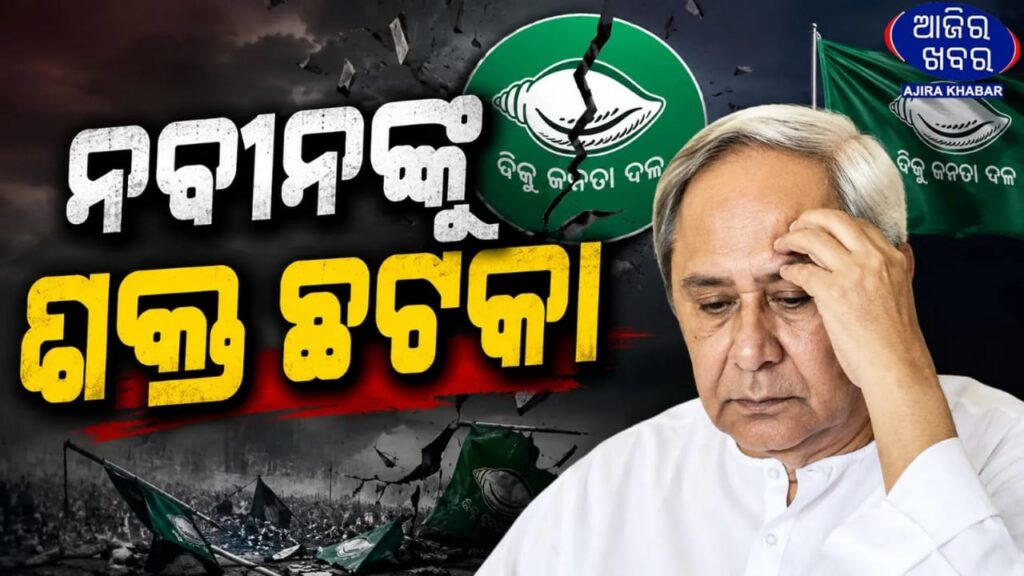
In a significant political development in Odisha, the Biju Janata Dal (BJD) has suffered a setback after Odisha Assembly Speaker Surama Padhy rejected the party’s plea seeking disqualification of eight MLAs accused of cross-voting during the Rajya Sabha elections.
The decision has triggered fresh political debate in the state and could have wider implications for party discipline and legislative politics in Odisha.
Background: Rajya Sabha Election and Cross-Voting Allegations
The controversy traces back to the Rajya Sabha elections held in March, where allegations of cross-voting surfaced within the BJD camp. The regional party claimed that several of its legislators voted against the official party position during the election process.
Following the allegations, the BJD initiated internal action and issued notices to the concerned legislators seeking explanations regarding their conduct.
Later, the party moved ahead with a formal appeal seeking their disqualification.
Eight MLAs Named in the Petition
The BJD had sought action against the following eight MLAs:
- Debi Ranjan Tripathy
- Souvic Biswal
- Ramakanta Bhoi
- Naba Mallik
- Subasini Jena
- Chakramani Kahar
- Aravind Mahapatra
- Sanatan Mahakud
The party alleged that their actions amounted to violating party discipline during the Rajya Sabha voting process.
Speaker Rejects Disqualification Request
After reviewing the matter, Speaker Surama Padhy rejected the disqualification application filed by BJD.
The decision effectively means that the eight MLAs will continue to retain their positions in the Odisha Legislative Assembly.
While detailed reasoning behind the decision is expected to attract political and legal attention, the outcome is being viewed as a major setback for the opposition party’s attempt to take action against the legislators.
Political Reactions Expected
The Speaker’s decision is likely to intensify political discussions in Odisha.
For the BJD, the development raises questions about internal unity and political management following the Rajya Sabha election episode. On the other hand, supporters of the decision may interpret it as a reinforcement of legislative procedure and constitutional safeguards.
Political observers believe the issue may continue to influence party equations and future political strategies in the state.
What This Means Going Forward
Cross-voting has often been one of the most debated issues in Indian politics, particularly during indirect elections such as Rajya Sabha polls. The Odisha development once again highlights the delicate balance between party discipline and legislative procedures.
With the disqualification plea now rejected, attention will shift to whether the BJD pursues any further political or legal course of action.
The decision marks another important chapter in Odisha’s evolving political landscape and is expected to remain a topic of discussion in the coming weeks.