Russia Faces Fuel Crisis Amid Ukraine War, Turns to India for Gasoline Supply.
Russia Grapples with Fuel Shortage as War Continues
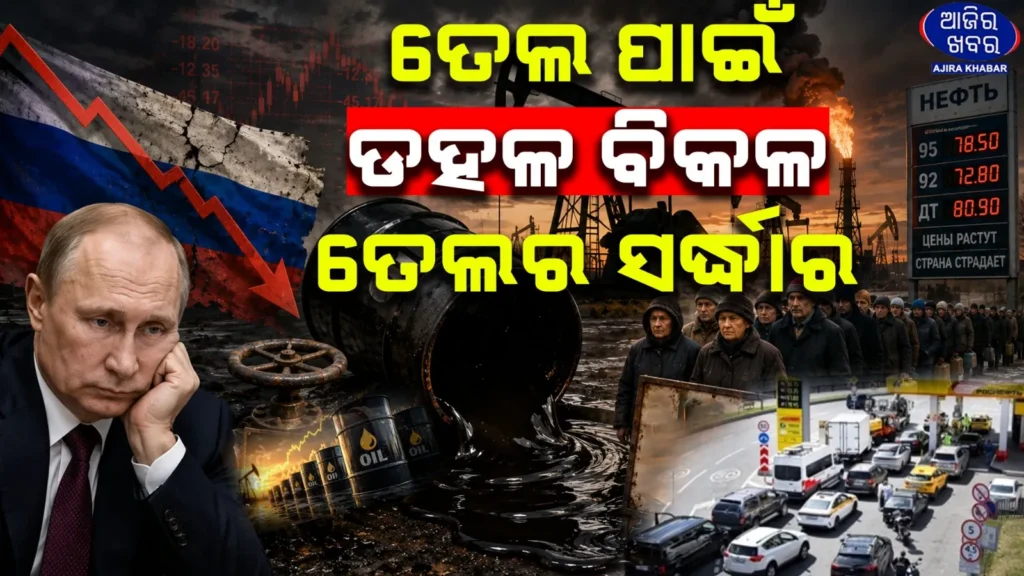
The Russia–Ukraine war continues with no sign of a lasting ceasefire, and its impact is now being felt deep inside Russia. After years of military conflict and repeated attacks on critical infrastructure, Russia is reportedly facing a growing fuel crisis. Long queues have appeared at petrol stations in several regions, fuel prices have increased, and the government is working to stabilize domestic supplies.
Recent reports suggest that Ukrainian drone and air strikes targeting Russian oil refineries and energy infrastructure have disrupted fuel production and distribution. These attacks have affected refinery operations, creating challenges in meeting the country’s daily gasoline demand.
Fuel Prices Rise, Supply Under Pressure
The fuel shortage has led to increased pressure on Russia’s energy sector. In several areas, motorists have been forced to wait for hours at petrol stations due to limited fuel availability. At the same time, gasoline prices have risen sharply, adding to concerns among consumers and businesses.
Although Russia remains one of the world’s largest oil producers, refining and distribution disruptions have made it difficult to ensure a steady supply of fuel across the country. Officials are closely monitoring the situation and exploring options to ease the shortage.
India Emerges as a Key Fuel Supplier
To address the growing crisis, Russia has reportedly begun importing gasoline from India through sea routes. According to reports, India has already supplied around 60,000 metric tonnes of gasoline to Russia, while additional tanker shipments carrying between 30,000 and 40,000 tonnes each are on their way.
The development marks a notable shift in energy trade. In recent years, India significantly increased its imports of discounted Russian crude oil. Indian refineries process this crude into petroleum products, including gasoline, some of which are now being exported to international markets, including Russia.
Russia Expands Fuel Import Strategy
Apart from India, Russia is also exploring fuel imports from other countries to stabilize domestic supplies. Belarus, one of Russia’s closest allies, has already started supplying fuel, while discussions with additional partners are reportedly underway.
Reports indicate that Russia may plan to import up to 400,000 metric tonnes of gasoline per month if supply disruptions continue. The move is aimed at ensuring adequate fuel availability during the peak summer season, when domestic demand typically reaches its highest levels.
Government Responds to Energy Challenges
Russian President Vladimir Putin recently held meetings with senior ministers and energy officials to review the country’s fuel situation. During the discussions, officials acknowledged that Ukrainian attacks on oil refineries had contributed to fuel shortages in certain regions.
The government is expected to continue monitoring refinery operations, strengthen fuel logistics, and increase imports where necessary to prevent further supply disruptions.
What Lies Ahead?
The ongoing conflict continues to reshape global energy markets and supply chains. If attacks on Russia’s energy infrastructure persist, maintaining stable fuel supplies could become an even greater challenge. Increased imports from countries such as India may provide temporary relief, but the long-term solution will largely depend on the restoration of refinery capacity and the future course of the Russia–Ukraine war.
As the conflict enters another phase, developments in the energy sector will remain closely watched, not only for their impact on Russia but also for global fuel markets and international trade.