National

Grand Civic Felicitation Ceremony Held in Bhubaneswar Ahead of ABVP National Executive Council Meeting
National

Grand Civic Felicitation Ceremony Held in Bhubaneswar Ahead of ABVP National Executive Council Meeting

Grand Civic Felicitation Ceremony Held in Bhubaneswar Ahead of ABVP National Executive Council Meeting Bhubaneswar, the sacred land of Lord Jagannath and the Temple City of India, witnessed a grand and significant event as the Akhil Bharatiya Vidyarthi Parishad (ABVP) organized a magnificent Civic Felicitation Ceremony on the eve of its National Executive Council Meeting. The event was held at the campus of Siksha ‘O’ Anusandhan University and brought together distinguished leaders, intellectuals, former student activists, and citizens from across Odisha. Chief Minister Attends as Chief Guest The ceremony was graced by Odisha Chief Minister Mohan Charan Majhi as the Chief Guest. He was joined on the dais by ABVP National President Professor Raghuraj Kishore Tiwari, National General Secretary Dr. Virendra Singh Solanki, Odisha East Province President Dr. Debesh Shankar Hota, Odisha East Province Secretary Deeptimayee Pratihari, Reception Committee Chairman Prabodh Mahanty, and Reception Committee General Secretary Ajay Agrawal. Also present were ABVP National Organization Secretary Ashish Chauhan, National Joint Organization Secretaries S. Balakrishna, Govind Nayak, and Devdatta Joshi. The presence of prominent citizens, intellectuals, and former ABVP activists added further significance to the occasion. Maharaja Kharavela Exhibition Showcases Odisha’s Heritage A major attraction of the event was the grand exhibition dedicated to Maharaja Kharavela, one of Odisha’s most celebrated historical figures. The exhibition highlighted Odisha’s glorious history, rich cultural traditions, folk heritage, and various year-round activities undertaken by ABVP across the country. What made the exhibition especially remarkable was the dedication of 30 student volunteers who collectively invested over 120 hours of hard work to create it. During the ceremony, Chief Minister Mohan Charan Majhi felicitated all the volunteers and mentors who contributed to the successful preparation of the exhibition. Earlier in the day, the exhibition was inaugurated by Odisha’s Minister for Housing and Urban Development Krishna Chandra Mahapatra, along with Professor Jyotsna K.B. Rout, Vice-Chancellor of Ramadevi Women’s University, ABVP National President Professor Raghuraj Kishore Tiwari, National General Secretary Dr. Virendra Singh Solanki, and National Organization Secretary Ashish Chauhan. Message of Youth Empowerment and Nation Building Addressing the gathering, Chief Minister Mohan Charan Majhi warmly welcomed student representatives who had arrived from different parts of the country to participate in the National Executive Council Meeting. He emphasized that ABVP’s guiding principle, “Knowledge, Character, and Unity,” has continuously inspired generations of students toward social responsibility, national development, and leadership. He praised the organization’s contribution to student welfare, national interest, and social awareness, highlighting its role in shaping responsible citizens and future leaders. The Chief Minister also encouraged the youth to pursue excellence through knowledge, integrity, and dedication, while actively contributing to the development of the nation. Bhubaneswar Hosts National-Level Deliberations The ABVP National Executive Council Meeting is being held in Bhubaneswar from May 29 to May 31, 2026. The meeting will witness the participation of 484 representatives and activists from various states and regions of India. The gathering is expected to discuss important issues related to education, student welfare, youth leadership, and the role of students in nation-building. It also serves as a platform for shaping future initiatives and strengthening student participation in social and national development. Conclusion The Civic Felicitation Ceremony in Bhubaneswar was more than just a welcome event. It was a celebration of Odisha’s rich heritage, the strength of India’s youth, and the shared vision of national progress. Through cultural pride, student participation, and meaningful dialogue, the event reflected the spirit of unity, service, and leadership that continues to inspire generations of young Indians. As Bhubaneswar hosts this important national gathering, the city once again stands as a symbol of cultural excellence, educational growth, and youth-driven nation-building.

Grand Civic Felicitation Ceremony Held in Bhubaneswar Ahead of ABVP National Executive Council Meeting Read Post »

India Faces 400% Surge in Heatwaves by Century-End; Scorching Nights, Health Risks and Economic Losses Raise Alarm
National

India Faces 400% Surge in Heatwaves by Century-End; Scorching Nights, Health Risks and Economic Losses Raise Alarm

India Faces 400% Surge in Heatwaves by Century-End; Scorching Nights, Health Risks and Economic Losses Raise Alarm New Delhi: India is heading toward a dangerous climate future as experts warn that heatwaves across the country could increase by nearly 300 to 400 percent by the end of this century. Rising global temperatures and rapid climate change are already intensifying extreme weather conditions, posing serious threats to public health, agriculture, livelihoods, and the nation’s economy. According to climate studies, India’s average temperature has already increased by around 0.7°C over the past century. While the rise may appear small, scientists caution that its long-term consequences could be devastating for millions of people. Hotter Days, Even More Unbearable Nights Experts predict that the coming decades will not only witness more frequent heatwaves during the day but also dangerously warmer nights. Reports indicate that while the number of extremely hot days may rise by nearly 55 percent, hot nights could increase by as much as 70 percent by the end of the century. The growing intensity of nighttime heat is becoming a major concern because it prevents the human body from recovering after prolonged exposure to daytime temperatures. Health experts warn that continuous heat exposure can lead to dehydration, heat strokes, skin irritation, muscle pain, exhaustion, and severe cardiovascular stress. The situation is expected to hit vulnerable populations the hardest, including outdoor workers, farmers, children, and elderly citizens. Massive Economic Impact on India Extreme heat is also emerging as a major economic threat. Data published in the globally renowned medical journal The Lancet reveals that labor hours lost due to excessive heat have increased by nearly 124 percent compared to the 1990s. Reduced work productivity during heatwave conditions is reportedly causing India an estimated annual income loss of nearly 194 billion US dollars. The agriculture sector alone accounts for approximately 66 percent of these economic losses, making farmers among the worst affected groups. In 2024, India experienced an average of 19.8 heatwave days. Experts believe that without the influence of climate change, the number would have been nearly 6.6 days lower. Heatwaves Still Missing from Disaster Relief List Despite the growing severity of heatwaves, “Heatwave” is still not included in the official list of disasters eligible for financial assistance under India’s National and State Disaster Response Funds. Currently, the government provides relief support for 12 notified natural disasters, including cyclones, floods, earthquakes, droughts, landslides, tsunamis, cold waves, and hailstorms. However, heatwaves remain excluded from this category. Several states have repeatedly demanded that heatwaves be officially recognized as a disaster due to rising deaths, crop damage, and economic losses. However, the Fifteenth Finance Commission had earlier rejected the proposal. The absence of financial support mechanisms during severe heat conditions has now become a growing concern for state governments and climate experts alike. Urgent Need for Climate Action Environmental experts stress that India must urgently strengthen climate adaptation strategies, improve urban cooling infrastructure, expand green cover, and develop effective heat action plans to protect people from rising temperatures. Public awareness, sustainable development policies, and stronger disaster preparedness measures will play a crucial role in reducing the long-term impact of climate change. As India faces an increasingly hotter future, experts warn that immediate action is no longer optional — it is essential for safeguarding public health, economic stability, and the nation’s future generations.

India Faces 400% Surge in Heatwaves by Century-End; Scorching Nights, Health Risks and Economic Losses Raise Alarm Read Post »

Fuel Prices Surge Again: Petrol and Diesel Rates Spike Across India, Public Hit by Fresh Inflation Blow
National

Fuel Prices Surge Again: Petrol and Diesel Rates Spike Across India, Public Hit by Fresh Inflation Blow

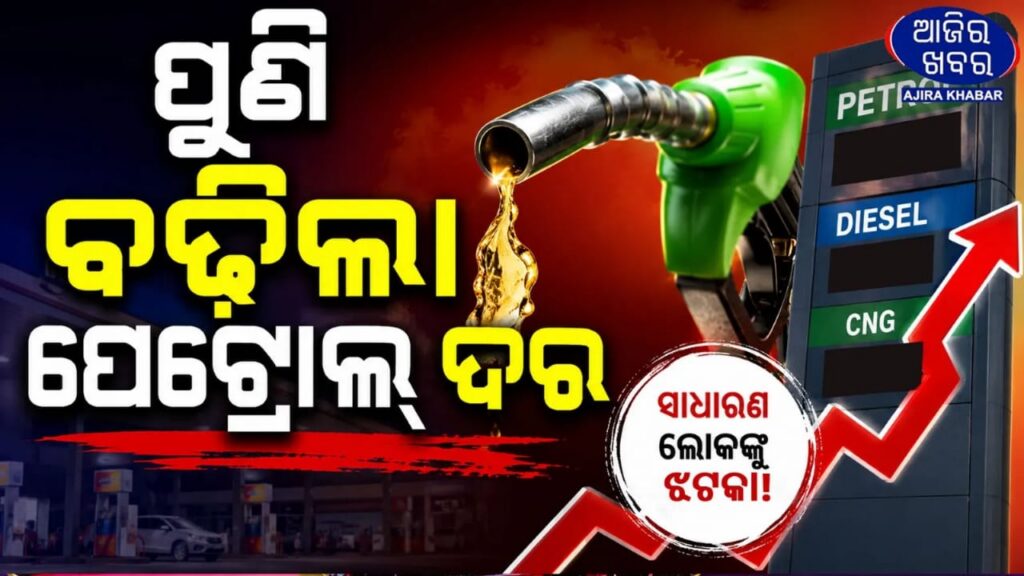
Fuel Prices Surge Again: Petrol and Diesel Rates Spike Across India, Public Hit by Fresh Inflation Blow India is once again witnessing a sharp rise in fuel prices, bringing fresh financial pressure on millions of common citizens. In yet another hike within just ten days, petrol and diesel prices have increased for the fourth time, intensifying concerns over inflation and the rising cost of daily living. This latest increase has pushed petrol and diesel rates to record highs in several cities across the country, including Odisha’s capital Bhubaneswar, where consumers are already struggling with increasing expenses on transportation, food, and essential commodities. Latest Fuel Prices Across Major Cities According to the latest fuel price revision, petrol prices have gone up by ₹2.61 per litre, while diesel has become costlier by ₹2.71 per litre. Here’s a look at the updated fuel prices in major cities: Bhubaneswar: Petrol ₹109.16 | Diesel ₹100.81 Delhi: Petrol ₹102.12 | Diesel ₹95.20 Mumbai: Petrol ₹111.21 | Diesel ₹97.83 Kolkata: Petrol ₹113.51 | Diesel ₹99.82 Chennai: Petrol ₹107.77 | Diesel ₹99.55 Meanwhile, premium speed petrol in Bhubaneswar has also touched a massive ₹118.27 per litre. The continuous rise in fuel rates is becoming a major concern for both middle-class families and transport-dependent businesses. What Is Causing the Sudden Fuel Price Hike? Experts believe that the ongoing geopolitical tensions and war-like situation in the Middle East have significantly affected the global crude oil market. The prices of crude oil in the international market have been rising steadily, directly impacting oil-importing countries like India. As India imports a large portion of its crude oil requirements, any increase in global crude prices immediately affects domestic petrol and diesel rates. Fluctuations in the rupee-dollar exchange rate and transportation costs are also adding pressure to fuel pricing. Common Citizens Fear Another Wave of Inflation The latest fuel price hike is expected to trigger a chain reaction across various sectors. Transportation costs are likely to increase, which may eventually affect the prices of vegetables, groceries, milk, and other essential commodities. Public transport operators and logistics companies are already expressing concern over rising operational costs. Many fear that bus fares, cab charges, and delivery expenses could increase in the coming days. For ordinary citizens, especially salaried employees and daily wage earners, the rising fuel prices are adding another burden to already stretched household budgets. Government Under Pressure With inflation becoming a growing concern, citizens and opposition parties are demanding immediate intervention from the government to control fuel prices. Experts suggest that temporary tax relief or reduction in excise duties could provide some relief to consumers. However, if international crude oil prices continue to rise, fuel prices in India may remain volatile in the coming weeks. As the country watches the global situation closely, one thing remains clear — rising fuel prices are no longer just about transportation; they are now directly impacting the everyday lives of millions of Indians.

Fuel Prices Surge Again: Petrol and Diesel Rates Spike Across India, Public Hit by Fresh Inflation Blow Read Post »

India Postpones Major Africa Summit & Amps Up Airport Screening Amid Ebola Concerns
National, Wellness

India Postpones Major Africa Summit & Amps Up Airport Screening Amid Ebola Concerns

India Postpones Major Africa Summit & Amps Up Airport Screening Amid Ebola Concerns India is prioritizing global health safety over high-stakes diplomacy. In a proactive move following the World Health Organization’s (WHO) declaration of the Ebola outbreak as an “International Public Health Emergency,” the government has officially postponed the high-profile India-Africa Forum Summit. Originally slated to take place in New Delhi from May 28 to May 31, the decision comes as fatalities in Congo and Uganda climb past 80, raising serious cross-border transmission fears. Indian officials, in alignment with the African Union (AU), emphasized that safeguarding public health is the absolute priority. New dates for the diplomatic event will be scheduled once the global health situation stabilizes. Airports on High Alert: What You Need to KnowIn tandem with the postponement, the Union Health Ministry and the Directorate General of Health Services (DGHS) have rapidly deployed strict health protocols at all major Indian airports.Here is how authorities are stepping up vigilance:Targeted Screening: Enhanced health checks are mandatory for passengers arriving from heavily affected regions, including Congo, Uganda, and South Sudan.Self-Declaration: Incoming travelers from these zones must submit mandatory health forms upon arrival.Local Surveillance: State health departments—including Odisha—have been put on high alert, with hospitals prepping emergency response units just in case.The Good News: Health experts have confirmed that there are currently zero reported cases of Ebola in India. Officials are urging the public to stay informed and calm, emphasizing that these steps are purely precautionary.A Responsible Global PartnerWhile India is locking down its internal defenses, it isn’t turning its back on its global partners. The Ministry of External Affairs announced that India is extending humanitarian and medical aid to the affected African nations, proving that true diplomacy means standing together during a crisis.As the world tracks the evolving outbreak, India’s quick, responsible pivot shows that public safety will always come first.

India Postpones Major Africa Summit & Amps Up Airport Screening Amid Ebola Concerns Read Post »

India’s New Drone-Launched Missile PGM-V3 Set to Redefine Modern Warfare
National, Politics

India’s New Drone-Launched Missile PGM-V3 Set to Redefine Modern Warfare

India’s New Drone-Launched Missile PGM-V3 Set to Redefine Modern Warfare In a major boost to India’s indigenous defense capabilities, India has successfully tested the ULPGM-V3 (Unmanned Aerial Vehicle Launched Precision Guided Missile). Developed by the Defence Research and Development Organisation (DRDO), this cutting-edge weapon represents a massive leap forward in the nation’s drone warfare strategy and precision-strike technology. As modern battlefields increasingly rely on smart weapons and unmanned systems, the successful trials of the PGM-V3 have caught the attention of global defense analysts. The milestone underscores India’s rapidly growing technological self-reliance under the central government’s ‘Aatmanirbhar Bharat’ initiative. • What is the ULPGM-V3? The ULPGM-V3 is a highly advanced, precision-guided missile engineered specifically for deployment from Unmanned Aerial Vehicles (UAVs) or drones. What sets this weapon apart is its dual-mode versatility it can seamlessly switch between Air-to-Ground and Air-to-Air operations. Equipped with state-of-the-art seeker and guidance systems, the PGM-V3 eliminates the guesswork of traditional artillery by offering pinpoint accuracy. Designed to operate 24/7 in any terrain or weather condition, defense reports indicate the missile can neutralize: • High-Tech Precision: The Kurnool Trials The final development trials took place at the DRDO test range in Kurnool, Andhra Pradesh, where the missile successfully proved its mettle in both combat modes. Automated by an integrated Ground Control System (GCS) that manages everything from launch to mission execution, the trials validated the missile’s: • Fire-and-Forget Technology:Once locked onto a target, the missile operates independently, allowing drone operators to focus on other tactical maneuvers. • Pilot-Safe Strike Capabilities:By utilizing UAVs for long-range precision strikes, the military can eliminate high-value targets without putting pilots or ground troops in harm’s way. • Modular Warheads:The missile can be configured with different warheads depending on the mission, whether it requires bunker penetration, anti-armor capabilities, or high-impact fragmentation. • 100% Indigenous Innovation:Built within India’s domestic defense ecosystem, the project seamlessly brings together DRDO labs, private enterprises, MSMEs, and aerospace start-ups. • The Strategic Shift Toward Self-Reliance Beyond its battlefield merits, the PGM-V3 is a massive win for India’s domestic manufacturing sector. By relying on homegrown technology, India is steadily cutting down its dependence on expensive foreign military imports. Experts believe that weapons like the PGM-V3 will not only fortify India’s borders but also establish the country as a competitive exporter in the global defense market. • The Bottom Line As global warfare transitions into the era of smart, unmanned technology, the ULPGM-V3 ensures that India isn’t just keeping pace—it is leading the charge. This successful test marks a definitive milestone in national security, solidifying India’s reputation as an emerging powerhouse in next-generation military tech.

India’s New Drone-Launched Missile PGM-V3 Set to Redefine Modern Warfare Read Post »

Climate Change and India: Challenges, Policies, and the Road Ahead
National

Climate Change and India: Challenges, Policies, and the Road Ahead

Climate Change and India: Challenges, Policies, and the Road Ahead Climate change is no longer a distant threat—it is a present-day reality, especially for a rapidly developing country like India. From rising temperatures and unpredictable weather patterns to increasing natural disasters, the impacts are being felt across the nation. As India balances economic growth with environmental responsibility, addressing climate change has become both a challenge and an opportunity. Rising Temperatures and Environmental Challenges India has witnessed a steady rise in average temperatures over the past few decades. Heatwaves are becoming more frequent and intense, particularly in northern and central regions. Cities like Delhi often experience extreme summer temperatures, putting pressure on public health systems and energy resources. Apart from heatwaves, India is facing: These challenges highlight the urgency for both mitigation and adaptation strategies. Government Policies and Initiatives Recognizing the seriousness of climate change, the Indian government has launched several initiatives to combat its effects and transition towards sustainability. 1. National Action Plan on Climate Change (NAPCC) The National Action Plan on Climate Change focuses on eight national missions, including solar energy, energy efficiency, and sustainable agriculture. 2. International Commitments India is a signatory to the Paris Agreement, committing to reduce emissions intensity and expand renewable energy capacity. 3. Renewable Energy Push Through programs like the National Solar Mission, India aims to become a global leader in solar energy. The country has set ambitious targets for renewable energy, including achieving 500 GW of non-fossil fuel capacity. 4. Swachh Bharat and Green India Campaigns such as Swachh Bharat Abhiyan and afforestation efforts under Green India Mission promote environmental awareness and sustainability. Sustainability Efforts and Innovations India is increasingly embracing sustainable practices across industries and communities: Startups and tech innovations are also playing a key role, offering solutions in clean energy, waste recycling, and climate monitoring. The Road Ahead While India has made significant progress, several challenges remain: The future will depend on a collaborative effort between government, businesses, and citizens. Investments in green technology, policy reforms, and behavioral change will be crucial. Conclusion Climate change is one of the defining challenges of our time, and India stands at a critical juncture. With proactive policies, technological innovation, and collective action, the country has the potential to lead the global fight against climate change. The journey ahead is complex, but with sustained commitment, a sustainable and resilient future is within reach.

Climate Change and India: Challenges, Policies, and the Road Ahead Read Post »

Infrastructure Boom in India: Key Projects Driving Economic Growth in 2026
National

Infrastructure Boom in India: Key Projects Driving Economic Growth in 2026

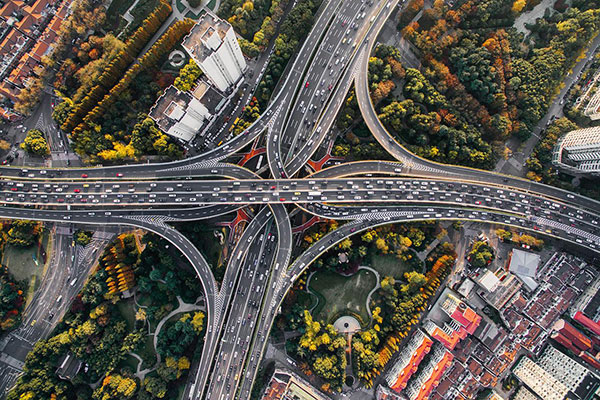
Infrastructure Boom in India: Key Projects Driving Economic Growth in 2026 India is undergoing one of the most significant infrastructure transformations in its history. In 2026, large-scale investments in highways, railways, smart cities, and urban development are not only reshaping the country’s physical landscape but also accelerating economic growth, job creation, and regional connectivity. This infrastructure boom is laying the foundation for India’s ambition to become a $5 trillion economy. 1. Highways: Expanding the Road Network India’s highway network continues to expand at an unprecedented pace under initiatives like the Bharatmala Pariyojana. The focus is on building economic corridors, expressways, and border roads to improve connectivity across states. Key projects such as the Delhi–Mumbai Expressway and the Ganga Expressway are game changers. These highways reduce travel time, lower logistics costs, and boost trade efficiency. Faster transportation networks are also attracting investments in manufacturing and logistics hubs along these corridors. 2. Railways: Modernization and High-Speed Growth Indian Railways is witnessing rapid modernization with a focus on speed, safety, and efficiency. Projects like the Mumbai–Ahmedabad High-Speed Rail are introducing high-speed rail technology to the country. Additionally, the expansion of dedicated freight corridors such as the Western Dedicated Freight Corridor is transforming cargo movement. These corridors separate freight and passenger traffic, ensuring faster delivery times and reducing congestion. Upgrades in railway stations, electrification, and the introduction of semi-high-speed trains like Vande Bharat Express are enhancing passenger experience while improving operational efficiency. 3. Smart Cities: Technology-Driven Urban Transformation The Smart Cities Mission is redefining urban living by integrating technology into city planning and governance. Cities are adopting smart solutions such as intelligent traffic management, digital surveillance, waste management systems, and energy-efficient infrastructure. Urban centers like Bhubaneswar, Pune, and Ahmedabad have emerged as leaders in implementing smart city projects. These developments are improving quality of life, enhancing sustainability, and attracting global investors. 4. Urban Development: Building Future-Ready Cities Urban development in India is being driven by schemes like the Pradhan Mantri Awas Yojana and AMRUT Mission. These initiatives aim to provide affordable housing, improve water supply, and upgrade urban infrastructure. Metro rail projects in cities such as Delhi, Mumbai, and Bangalore are easing urban congestion and promoting sustainable transport. At the same time, redevelopment of old city areas and the construction of new townships are making Indian cities more livable and efficient. Economic Impact of the Infrastructure Boom India’s infrastructure push is having a multiplier effect on the economy: Challenges to Address Despite rapid progress, challenges remain. Land acquisition issues, environmental concerns, and project delays can slow down development. Ensuring sustainable and inclusive growth will require careful planning and efficient execution. Conclusion India’s infrastructure boom in 2026 is more than just construction—it is a catalyst for economic transformation. With ambitious projects in highways, railways, smart cities, and urban development, the country is building a strong foundation for future growth. If executed effectively, this infrastructure revolution will not only improve connectivity and living standards but also position India as a global economic powerhouse.

Infrastructure Boom in India: Key Projects Driving Economic Growth in 2026 Read Post »

India’s Digital Transformation: How Technology is Reshaping Governance and Daily Life
National

India’s Digital Transformation: How Technology is Reshaping Governance and Daily Life

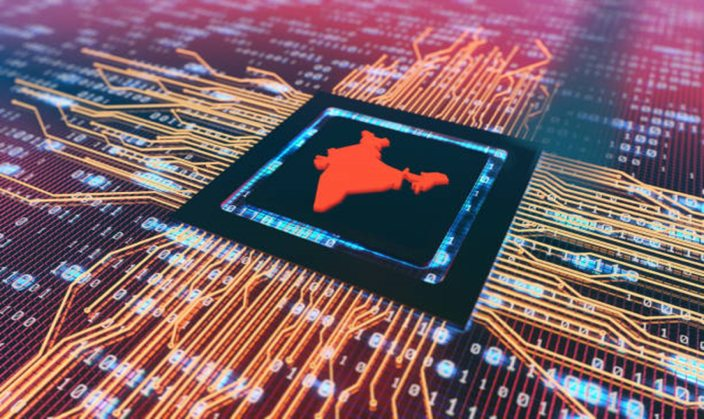
India’s Digital Transformation: How Technology is Reshaping Governance and Daily Life India is undergoing one of the most significant digital transformations in the world today. From seamless online payments to digitized government services, technology is redefining how citizens interact with institutions and manage their daily lives. Initiatives like Digital India, the rapid growth of Unified Payments Interface (UPI), and the adoption of artificial intelligence are pushing the country toward a more connected, efficient, and inclusive future. The Vision of Digital India Launched in 2015, Digital India aims to transform India into a digitally empowered society and knowledge economy. The program focuses on three core areas: From expanding broadband connectivity in rural areas to promoting digital literacy, the initiative has laid the foundation for a technology-driven ecosystem that reaches even the most remote corners of the country. UPI: Revolutionizing Digital Payments One of the most visible successes of India’s digital journey is the explosive growth of Unified Payments Interface. Developed by the National Payments Corporation of India, UPI has transformed the way Indians transact. Today, millions of people—from street vendors to large businesses—use apps like Google Pay, PhonePe, and Paytm to send and receive money instantly. Key impacts of UPI: UPI’s simplicity, speed, and zero-cost model have made it a global benchmark for real-time payment systems. E-Governance: Bringing Services to Citizens’ Fingertips E-governance is another pillar of India’s digital transformation. Government services that once required long queues and paperwork are now available online. Platforms like DigiLocker and UMANG allow citizens to access documents, apply for services, and track applications from their smartphones. Benefits of e-governance: From filing taxes to applying for passports, digital platforms are simplifying governance and making it more citizen-centric. AI Adoption: The Next Frontier India is also embracing artificial intelligence to enhance governance and economic growth. Organizations like NITI Aayog are actively promoting AI through national strategies and innovation programs. AI is being used in: As AI adoption grows, it is expected to improve efficiency, reduce costs, and unlock new opportunities across sectors. Impact on Daily Life Digital transformation is not just a policy shift—it’s a lifestyle change. For the average Indian citizen: Even in smaller towns and villages, smartphones and internet connectivity are enabling people to participate in the digital economy like never before. Challenges Ahead Despite remarkable progress, challenges remain: Addressing these issues will be crucial to ensure that the benefits of digital transformation are inclusive and sustainable. The Road Ahead India’s digital journey is far from complete. With continued investments in infrastructure, innovation, and policy support, the country is well-positioned to become a global leader in digital governance and technology adoption. As initiatives like Digital India continue to evolve, the integration of technologies like AI, blockchain, and IoT will further reshape governance and everyday life. Conclusion India’s digital transformation is a powerful example of how technology can drive large-scale change. By bridging gaps between citizens and services, empowering businesses, and fostering innovation, the country is building a future where digital access is not a luxury—but a fundamental right. The transformation is already visible—and the best is yet to come.

India’s Digital Transformation: How Technology is Reshaping Governance and Daily Life Read Post »

Scroll to Top