Sports

FIFA World Cup 2026 Begins: The Biggest Tournament in Football History
Sports

FIFA World Cup 2026 Begins: The Biggest Tournament in Football History

FIFA World Cup 2026 Begins: The Biggest Tournament in Football History A New Era of Global Football Kicks Off Across Three Nations The world’s most anticipated sporting event is finally here. The FIFA World Cup 2026 officially kicks off today, ushering in a new era for international football and setting the stage for what is expected to be the largest and most ambitious World Cup ever organized. Hosted jointly by the United States, Canada, and Mexico, the tournament represents a historic milestone for FIFA and football fans across the globe. For the first time in World Cup history, three nations are sharing hosting responsibilities, creating a truly continental celebration of the beautiful game. The tournament also introduces a groundbreaking expansion from 32 to 48 participating teams, increasing opportunities for nations around the world to compete on football’s biggest stage. With a record-breaking 104 matches scheduled across 16 world-class venues, fans can look forward to nearly six weeks of unforgettable football action. A Historic Tournament Like Never Before The opening match takes place at the legendary Estadio Azteca in Mexico City, a stadium that has witnessed some of the most iconic moments in football history. By hosting yet another World Cup opener, the historic venue further cements its place as one of the sport’s most treasured landmarks. The atmosphere is expected to be electric as supporters from every corner of the world gather to celebrate the beginning of this historic tournament. Adding to the excitement is a grand opening ceremony designed to showcase the cultural diversity and global appeal of football. Featuring international music performances, spectacular entertainment, and tributes to some of the greatest legends in the sport, the ceremony aims to set the tone for a World Cup unlike any before it. Millions of viewers worldwide are expected to tune in as football’s greatest festival officially gets underway. Football’s Biggest Stars Take Center Stage On the pitch, defending champions Argentina arrive as one of the favorites after their memorable triumph in Qatar in 2022. Football fans will once again be eager to watch Lionel Messi as he leads his nation in pursuit of another historic achievement. France, runners-up in the previous edition, also enter the competition among the leading contenders, while football powerhouses such as Brazil, Germany, Spain, England, and Portugal are expected to mount strong challenges for the coveted trophy. The tournament carries special significance as it could mark the final FIFA World Cup appearances for two of football’s greatest icons, Lionel Messi and Cristiano Ronaldo. Their participation adds an emotional layer to the competition, as fans around the world cherish the opportunity to witness two legendary careers on football’s grandest stage once again. The Impact of the 48-Team Expansion The expansion to 48 teams is one of the most significant changes in World Cup history. It allows more nations to experience the excitement of competing at the highest level while giving emerging football countries the chance to challenge established giants. This new format is expected to deliver fresh rivalries, unexpected storylines, and even greater competitiveness throughout the tournament. With more teams and more matches than ever before, supporters can expect a football festival packed with drama, surprises, and unforgettable moments from the opening match to the final whistle. More Than a Tournament: A Global Celebration Beyond football, the World Cup remains a global celebration of culture, unity, and shared passion. Cities across North America are preparing to welcome millions of visitors, while billions of fans will follow the action from their homes. The tournament is expected to generate substantial economic benefits, strengthen football’s worldwide influence, and create memories that will last for generations. The Road to Glory Begins As the opening whistle approaches, anticipation continues to build. From underdogs chasing fairytale success to football giants pursuing glory, every team enters the competition with dreams of lifting the most prestigious trophy in the sport. With 48 teams, 104 matches, and three host nations coming together to create history, FIFA World Cup 2026 promises to be more than just a tournament—it promises to be a defining moment in the evolution of global football.

FIFA World Cup 2026 Begins: The Biggest Tournament in Football History Read Post »

RCB Retain IPL Crown with Dominant Win Over Gujarat Titans
Sports

RCB Retain IPL Crown with Dominant Win Over Gujarat Titans

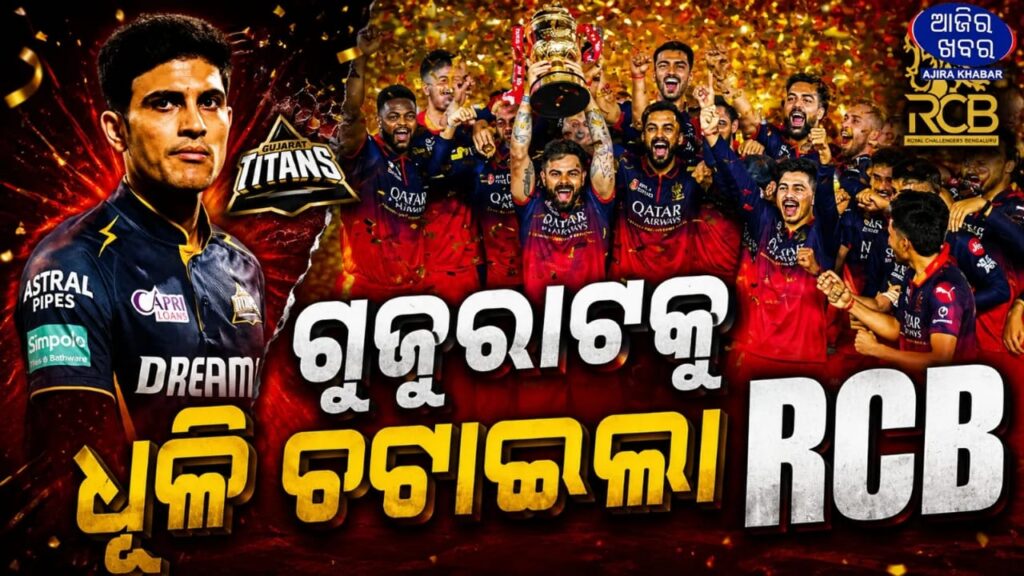
RCB Retain IPL Crown with Dominant Win Over Gujarat Titans Royal Challengers Bengaluru (RCB) have etched their names into Indian Premier League history by clinching their second consecutive IPL title. The Bengaluru franchise successfully defended their championship crown after defeating Gujarat Titans by five wickets in a thrilling final at the Narendra Modi Stadium in Ahmedabad. The victory marks another golden chapter in RCB’s journey, with star batter Virat Kohli once again proving why he is regarded as one of the greatest players in the history of the tournament. Gujarat Titans Post a Modest Total After winning the toss and opting to bat first, Gujarat Titans struggled to build momentum against a disciplined RCB bowling attack. The team managed to score 155/8 in their allotted 20 overs. Washington Sundar emerged as the lone bright spot for Gujarat, playing a fighting half-century under pressure. However, the rest of the batting lineup failed to capitalize, with regular wickets preventing the Titans from posting a challenging total. Kohli Leads the Chase with a Masterclass Chasing 156 for victory, RCB got off to a flying start thanks to openers Virat Kohli and Shreyas Iyer. The duo attacked the Gujarat bowlers from the outset, maintaining a scoring rate close to ten runs per over. Iyer played a blistering knock of 32 runs off just 16 deliveries before being dismissed, giving RCB an ideal platform for the chase. However, the middle order briefly faltered as Devdutt Padikkal, Rajat Patidar, Krunal Pandya, and Tim David departed in quick succession, raising hopes of a Gujarat comeback. The King Stands Tall With wickets falling at the other end, Virat Kohli anchored the innings brilliantly. Displaying composure, experience, and class, the former RCB captain guided his team through the pressure moments. Kohli remained unbeaten on 75 runs, producing a match-winning innings that ensured RCB crossed the finish line with 12 balls to spare. His remarkable knock will undoubtedly be remembered as one of the defining performances in IPL final history. Individual Honours Shine Bright While RCB celebrated the championship, several individual stars also enjoyed a memorable season. Young sensation Vaibhav Suryavanshi finished as the tournament’s highest run-scorer with an impressive tally of 776 runs, earning the prestigious Orange Cap. Meanwhile, South African speedster Kagiso Rabada claimed the Purple Cap after an outstanding campaign that saw him pick up 29 wickets, making him the season’s leading wicket-taker. Fans Celebrate Across the Country The historic achievement has sparked celebrations among RCB supporters across India. Social media platforms have been flooded with congratulatory messages, videos, and tributes as fans rejoice in witnessing their team lift the trophy for the second year in a row. For Virat Kohli and Royal Challengers Bengaluru, this triumph is more than just another title—it is a testament to consistency, resilience, and the unwavering spirit that has defined the franchise in recent years. As the celebrations continue, one thing is certain: RCB’s successful title defence and Kohli’s unforgettable unbeaten 75 will be remembered as one of the most iconic moments in IPL history.

RCB Retain IPL Crown with Dominant Win Over Gujarat Titans Read Post »

The Growing Popularity of Football in India: Can the Indian Super League Compete Globally?
Sports

The Growing Popularity of Football in India: Can the Indian Super League Compete Globally?

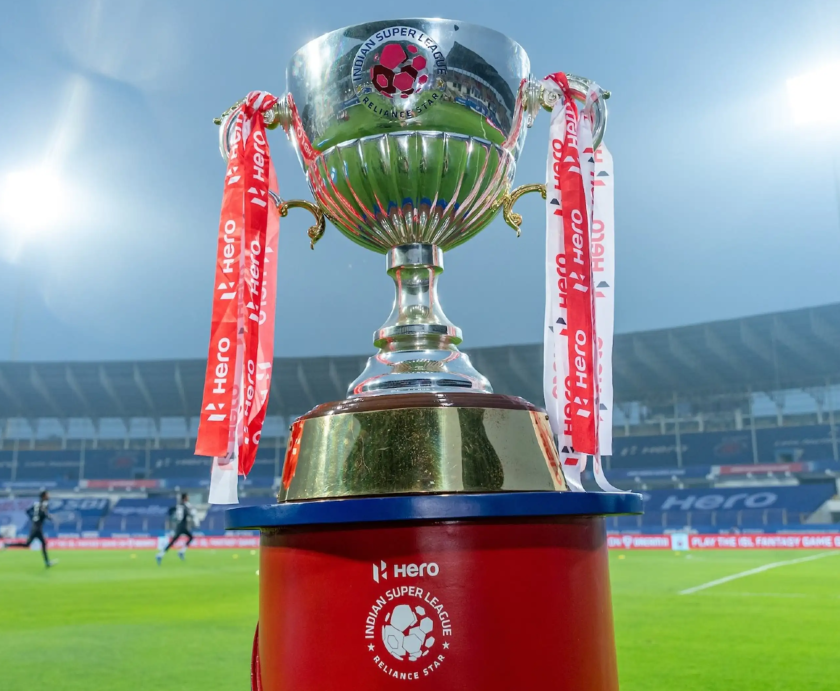
The Growing Popularity of Football in India: Can the Indian Super League Compete Globally? Football in India has undergone a remarkable transformation over the past decade. Once overshadowed by cricket’s massive dominance, the sport is now gaining steady momentum, driven by grassroots development, international exposure, and the rise of the Indian Super League (ISL). The big question, however, remains—can India’s top football league compete on the global stage? The Rise of Football Culture in India Football has always had pockets of passionate fan bases in regions like West Bengal, Goa, and Kerala. Clubs such as Mohun Bagan Super Giant and East Bengal FC have rich histories dating back decades. In recent years, the sport has expanded beyond these traditional strongholds. The influence of global leagues like the English Premier League and international stars has inspired a younger generation of Indian fans. With easy access to live matches via digital platforms, football has become a mainstream sport among urban youth. The Emergence of the Indian Super League Launched in 2014, the ISL revolutionized Indian football by introducing a franchise-based model similar to the Indian Premier League. With better marketing, celebrity team owners, and international players, the league quickly captured attention. Clubs like Kerala Blasters FC and Mumbai City FC have built strong fan bases, regularly attracting large crowds and high TV viewership. The ISL has also improved professionalism in Indian football—better stadiums, coaching standards, and youth academies are gradually raising the quality of the game. Key Challenges in Competing Globally Despite its rapid growth, the ISL still faces significant hurdles before it can match global football leagues: Signs of Progress There are encouraging signs that Indian football is moving in the right direction. The national team has improved its rankings over the years, and players like Sunil Chhetri have gained international recognition. Additionally, collaborations with foreign coaches and participation in continental tournaments are helping Indian clubs and players gain valuable experience. The Role of Youth and Grassroots Programs Initiatives by the All India Football Federation and private academies are focusing on identifying and nurturing young talent. Programs at the school and district levels are essential for building a strong football foundation. If sustained, these efforts could produce a new generation of technically skilled and physically competitive players. Can the ISL Compete Globally? In its current form, the ISL is still far from competing with elite leagues like the English Premier League or Spain’s La Liga. However, that doesn’t mean the goal is unrealistic. The ISL’s real competition, at least in the short term, lies with emerging Asian leagues such as Japan’s J-League or Australia’s A-League. With consistent investment, better youth systems, and increased international exposure, the ISL could become one of Asia’s top football leagues. The Road Ahead For Indian football to truly rise, a long-term vision is essential. This includes: Conclusion Football in India is no longer a niche sport—it is a growing movement. The Indian Super League has played a crucial role in this transformation, bringing visibility, professionalism, and excitement to the game. While global competition remains a distant goal, the progress made so far is undeniable. With the right investments and long-term planning, India has the potential to become a significant force in world football.

The Growing Popularity of Football in India: Can the Indian Super League Compete Globally? Read Post »

India’s Olympic Journey: From Struggles to Global Recognition
Sports

India’s Olympic Journey: From Struggles to Global Recognition

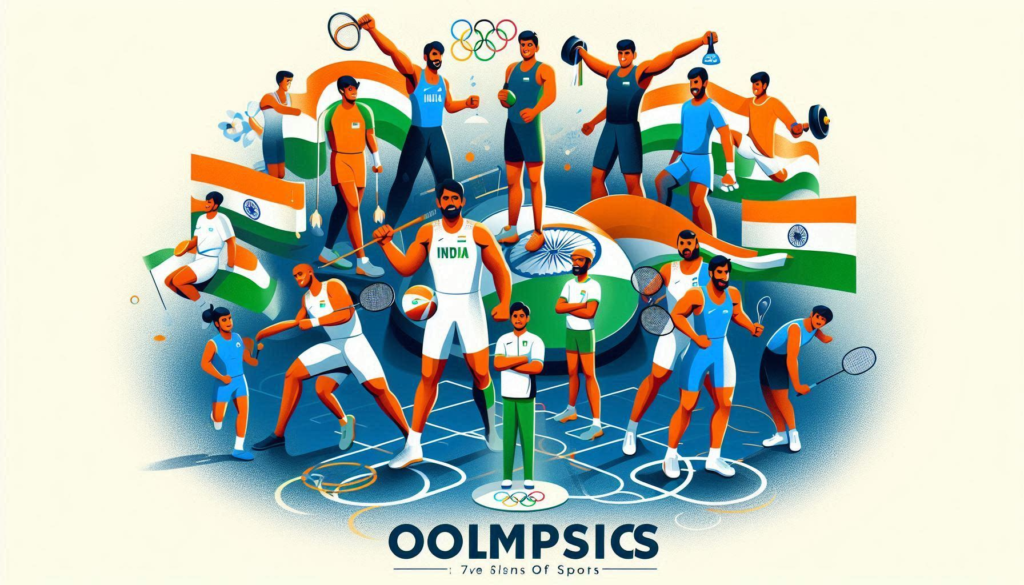
India’s Olympic Journey: From Struggles to Global Recognition India’s journey in the Olympic Games is a story of perseverance, resilience, and gradual transformation. From a modest beginning with limited success to emerging as a competitive force on the global stage, the country’s Olympic narrative reflects both its challenges and its growing sporting ambitions. Early Years: A Slow Start India made its Olympic debut at the 1900 Summer Olympics, where Norman Pritchard won two silver medals in athletics. Despite this early success, India struggled to make a consistent impact in the following decades. However, a golden era soon followed in field hockey. Between 1928 and 1956, India dominated the sport, winning six consecutive gold medals. Legendary players like Dhyan Chand became symbols of excellence, earning global admiration and putting India firmly on the Olympic map. Post-Independence Challenges After independence in 1947, India continued to perform well in hockey but struggled in other sports. The lack of infrastructure, funding, and professional training systems hindered the country’s ability to produce world-class athletes across disciplines. For several decades, India’s Olympic medal tally remained limited, with occasional successes such as Leander Paes winning a bronze medal in tennis at the 1996 Summer Olympics. Turning Point: The Rise of Individual Excellence The 21st century marked a turning point in India’s Olympic journey. Athletes began to break barriers and excel in diverse sports beyond hockey. A historic moment came at the 2008 Summer Olympics when Abhinav Bindra won India’s first individual Olympic gold medal in shooting. This achievement inspired a new generation of athletes and highlighted the importance of investment in sports science and infrastructure. Subsequent Olympics saw remarkable performances from athletes like Mary Kom, Saina Nehwal, and P. V. Sindhu, who brought home medals and recognition. The Golden Moment: Neeraj Chopra’s Triumph India reached a new milestone at the 2020 Summer Olympics (held in 2021), when Neeraj Chopra won a gold medal in javelin throw. This was India’s first-ever Olympic gold in athletics, a moment that captured the imagination of the entire nation. Chopra’s victory symbolized a shift in India’s sporting landscape—showing that Indian athletes could compete and win in track and field events traditionally dominated by other nations. Growing Support and Infrastructure India’s recent Olympic success can be attributed to improved infrastructure, government initiatives, and private support. Programs like Khelo India and Target Olympic Podium Scheme (TOPS) have played a crucial role in identifying and nurturing talent. Additionally, corporate sponsorships, better coaching facilities, and exposure to international competitions have significantly enhanced athletes’ performance levels. Future Prospects: A Rising Sporting Nation India’s performance at recent Olympics indicates a promising future. With a young population, increasing awareness about sports, and a growing culture of fitness, the country is poised to achieve greater success. Emerging athletes in wrestling, boxing, athletics, and badminton continue to push boundaries. The focus is now shifting towards building a sustainable sports ecosystem that can consistently produce Olympic champions. Conclusion India’s Olympic journey is no longer defined by struggle alone—it is now a story of determination, progress, and global recognition. From the dominance of hockey legends like Dhyan Chand to the modern-day heroics of Neeraj Chopra, the nation has come a long way. As India continues to invest in sports and nurture talent, the dream of becoming a top Olympic nation seems increasingly within reach. The journey is ongoing, but the direction is clear—towards excellence, pride, and a stronger presence on the world stage.

India’s Olympic Journey: From Struggles to Global Recognition Read Post »

The Rise of Cricket Leagues in India: Beyond the Indian Premier League
Sports

The Rise of Cricket Leagues in India: Beyond the Indian Premier League

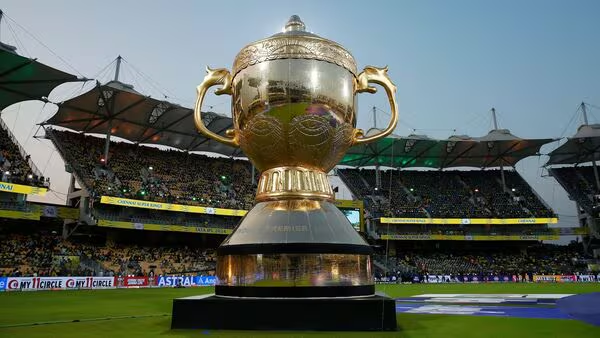
The Rise of Cricket Leagues in India: Beyond the Indian Premier League The Rise of Cricket Leagues in India: Beyond the Indian Premier League Cricket in India has undergone a massive transformation over the past two decades. While the Indian Premier League (IPL) remains the most glamorous and commercially successful tournament, a new wave of domestic cricket leagues is quietly reshaping the country’s sporting ecosystem. These leagues are not just entertainment platforms—they are becoming crucial engines for grassroots talent development and sports economics. Beyond the Shadow of the IPL Since its launch in 2008, the IPL revolutionized cricket with its franchise-based model, global player participation, and massive broadcasting deals. However, its success also inspired state-level and regional leagues to emerge, creating more opportunities for players outside the national spotlight. Leagues such as the Tamil Nadu Premier League (TNPL), Karnataka Premier League (KPL), and Saurashtra Premier League are now playing a pivotal role in decentralizing cricket talent across India. These competitions bring the game closer to local audiences while giving aspiring cricketers a professional platform. Grassroots Talent Gets a Boost One of the biggest advantages of these domestic leagues is their focus on local talent. Unlike the IPL, where international stars often dominate headlines, regional leagues provide young and relatively unknown players with a chance to shine. Players who perform well in tournaments like the Syed Mushtaq Ali Trophy often get picked for these leagues, creating a strong pipeline for talent progression. Many IPL stars today, including emerging Indian cricketers, were first noticed through these smaller platforms. This structured pathway—from district-level cricket to state leagues and eventually national tournaments—has significantly improved talent scouting. It ensures that even players from remote regions have a realistic shot at professional cricket. Economic Impact on Local Markets The rise of domestic cricket leagues is also transforming local economies. These tournaments generate employment opportunities in areas such as event management, broadcasting, marketing, and hospitality. Stadiums that were once underutilized now host packed matches, boosting tourism and local businesses. Regional sponsors and advertisers are increasingly investing in these leagues, recognizing their growing popularity. While the IPL attracts global brands, domestic leagues provide a platform for local businesses to gain visibility at a relatively lower cost. Moreover, digital streaming platforms have expanded the reach of these leagues, making them accessible to a wider audience. This has opened up new revenue streams and increased the commercial viability of regional cricket. Strengthening India’s Cricketing Depth India’s dominance in world cricket is not just due to its top players but also its deep talent pool. Domestic leagues are playing a critical role in strengthening this depth. The Board of Control for Cricket in India (BCCI) has also supported the growth of domestic tournaments, ensuring better infrastructure, coaching, and exposure for players. As a result, India now has a strong bench strength across formats, capable of competing at the highest level. These leagues also help players adapt to different match conditions, pressure situations, and team dynamics—skills that are essential for international cricket. Challenges and the Road Ahead Despite their growth, domestic cricket leagues face several challenges. Limited funding, inconsistent scheduling, and lower media coverage compared to the IPL can hinder their development. Additionally, maintaining high-quality infrastructure and attracting audiences remains a concern in some regions. However, with increasing digital penetration and growing interest in cricket, the future looks promising. Strategic investments, better marketing, and stronger partnerships can help these leagues reach their full potential. Conclusion The story of Indian cricket is no longer just about the IPL. The rise of domestic leagues marks a significant shift towards a more inclusive and sustainable cricketing ecosystem. By nurturing grassroots talent and boosting local economies, these leagues are shaping the future of the sport in India. As they continue to grow, these competitions will not only produce the next generation of cricket stars but also ensure that the game thrives beyond the boundaries of major metropolitan cities.Cricket in India has undergone a massive transformation over the past two decades. While the Indian Premier League (IPL) remains the most glamorous and commercially successful tournament, a new wave of domestic cricket leagues is quietly reshaping the country’s sporting ecosystem. These leagues are not just entertainment platforms—they are becoming crucial engines for grassroots talent development and sports economics. Beyond the Shadow of the IPL Since its launch in 2008, the IPL revolutionized cricket with its franchise-based model, global player participation, and massive broadcasting deals. However, its success also inspired state-level and regional leagues to emerge, creating more opportunities for players outside the national spotlight. Leagues such as the Tamil Nadu Premier League (TNPL), Karnataka Premier League (KPL), and Saurashtra Premier League are now playing a pivotal role in decentralizing cricket talent across India. These competitions bring the game closer to local audiences while giving aspiring cricketers a professional platform. Grassroots Talent Gets a Boost One of the biggest advantages of these domestic leagues is their focus on local talent. Unlike the IPL, where international stars often dominate headlines, regional leagues provide young and relatively unknown players with a chance to shine. Players who perform well in tournaments like the Syed Mushtaq Ali Trophy often get picked for these leagues, creating a strong pipeline for talent progression. Many IPL stars today, including emerging Indian cricketers, were first noticed through these smaller platforms. This structured pathway—from district-level cricket to state leagues and eventually national tournaments—has significantly improved talent scouting. It ensures that even players from remote regions have a realistic shot at professional cricket. Economic Impact on Local Markets The rise of domestic cricket leagues is also transforming local economies. These tournaments generate employment opportunities in areas such as event management, broadcasting, marketing, and hospitality. Stadiums that were once underutilized now host packed matches, boosting tourism and local businesses. Regional sponsors and advertisers are increasingly investing in these leagues, recognizing their growing popularity. While the IPL attracts global brands, domestic leagues provide a platform for local businesses to gain visibility at a relatively lower cost. Moreover, digital streaming platforms

The Rise of Cricket Leagues in India: Beyond the Indian Premier League Read Post »

Scroll to Top