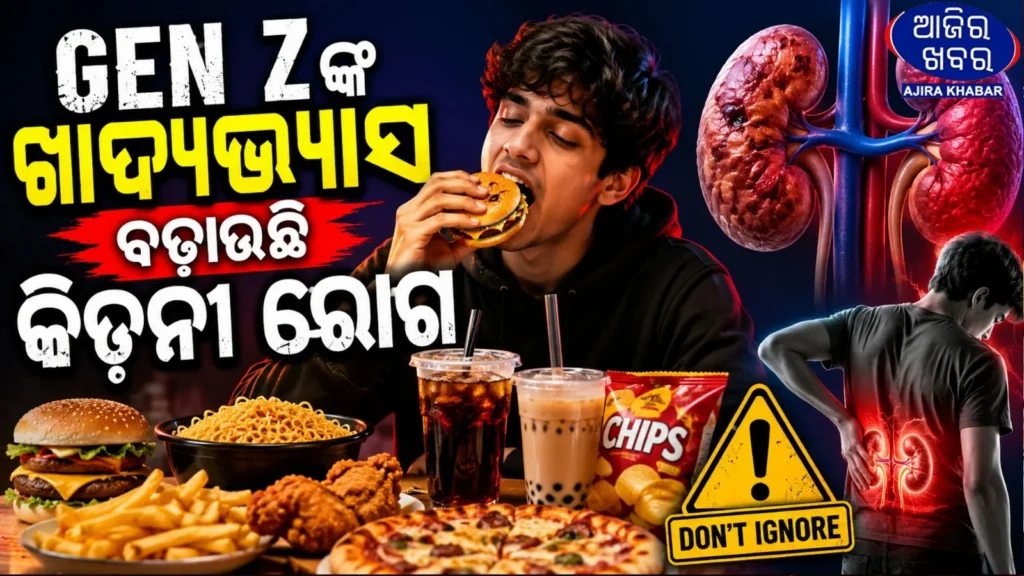
Think Before You Eat: How Fast Food and Social Media Trends May Be Affecting Kidney Health
Think Before You Eat: How Fast Food and Social Media Trends May Be Affecting Kidney Health In today’s fast-moving lifestyle, convenience often takes priority over nutrition. From morning coffee runs to afternoon burgers and late-night food delivery orders, fast food and packaged meals have become a regular part of life—especially among Millennials and Gen Z. Add the influence of social media trends, and food choices are increasingly driven by appearance, popularity, and convenience rather than long-term health. Health experts are now raising concerns that these changing eating habits may not only affect overall wellness but could also increase the risk of kidney-related health issues over time. The Rise of Convenience Food Culture Busy schedules and digital lifestyles have made “convenience food” more popular than ever. Instant meals, processed snacks, sugary beverages, and restaurant-style fast food are now easily available and heavily promoted online. Food content across social platforms often highlights visual appeal and trends rather than nutritional value. Attractive food videos and viral eating trends can influence young audiences to prioritize taste and presentation over balanced eating. While enjoying such foods occasionally is generally not a concern, experts suggest that frequent dependence on ultra-processed foods may contribute to long-term health challenges. Why Kidney Health Matters The kidneys perform essential functions in the body. They: When kidney function declines, harmful substances can accumulate in the body. One challenge with kidney disease is that it may develop gradually and often shows few noticeable symptoms in the early stages, making prevention and healthy lifestyle choices especially important. How Modern Eating Habits May Affect the Kidneys According to health experts, certain dietary patterns may place additional stress on kidney health over time: 1. Ultra-Processed Foods Many packaged and processed foods contain: High sodium intake may contribute to elevated blood pressure, which is a known risk factor for kidney disease. 2. Sugary Drinks and Energy Beverages Soft drinks, sweetened juices, and excessive energy drink consumption may contribute to metabolic health concerns and increased calorie intake. 3. Excessive Salt Consumption Regular consumption of fast food often leads to higher salt intake than recommended, which may affect blood pressure and kidney function over time. 4. Poor Hydration Habits Skipping water and replacing it with sugary beverages may reduce healthy hydration practices. 5. Unsupervised Supplement and Medication Use Experts also caution against frequent use of supplements, energy boosters, and pain-relief medications without professional guidance, as some substances may affect kidney health when overused. Is Social Media Changing the Way We Eat? Social media platforms have transformed food culture. Today’s food trends often encourage: Experts advise evaluating food choices based on nutritional balance rather than online popularity. Early Lifestyle Diseases Are Becoming More Common Healthcare professionals have also observed growing concern around lifestyle-related conditions among younger age groups, including: These conditions can also influence kidney health over time. Simple Habits That Support Kidney Health Experts recommend practical daily habits to support long-term wellness: ✔ Drink adequate water throughout the day✔ Eat balanced meals with vegetables, fruits, and whole foods✔ Limit excessive fast food and processed snacks✔ Monitor blood pressure and blood sugar regularly✔ Exercise consistently✔ Avoid self-medication and unnecessary supplement use✔ Focus on sustainable eating habits rather than online diet trends Final Thoughts Fast food and social media are now deeply connected to modern lifestyle—but convenience should not replace nutrition. Viral food trends may come and go, but healthy habits create lasting benefits. The message from experts is simple: good health is built through daily choices, not social media trends. Thinking before you eat today may help protect your health for years to come.