
June 2026

Europe Scorched by Deadly Heatwave: Over 1,300 Lives Lost as Climate Change Intensifies
National, Trending

Europe Scorched by Deadly Heatwave: Over 1,300 Lives Lost as Climate Change Intensifies.

Europe Scorched by Deadly Heatwave: Over 1,300 Lives Lost as Climate Change Intensifies. Europe is facing one of its most severe heatwaves in recent years, with extreme temperatures claiming more than 1,300 lives since June 21. According to the World Health Organization (WHO), the deadly heat has affected millions of people across the continent, raising fresh concerns about the growing impact of climate change. The WHO shared the latest figures through its official social media platform, stating that the prolonged heatwave has become a major public health emergency. WHO Director-General Dr. Tedros Adhanom Ghebreyesus warned that Europe is the fastest-warming continent in the world, with temperatures rising at nearly twice the global average. The relentless heat has disrupted daily life in several European countries. Authorities have been forced to close schools in some regions, while hospitals are treating an increasing number of patients suffering from heat-related illnesses such as dehydration, heat exhaustion, and heatstroke. The soaring demand for electricity to power air conditioning systems has also placed significant pressure on power grids. Scientists say that climate change is making heatwaves more frequent, more intense, and longer-lasting. Rising global temperatures caused by greenhouse gas emissions are increasing the likelihood of extreme weather events across the world. Experts warn that unless urgent action is taken to reduce carbon emissions and limit global warming, such deadly heatwaves could become a regular occurrence. Health authorities have advised people, especially the elderly, children, and those with underlying medical conditions, to stay hydrated, avoid outdoor activities during peak afternoon hours, and remain in cool, shaded environments whenever possible. The devastating heatwave serves as another reminder of the urgent need for global climate action. Governments, businesses, and individuals all have a role to play in reducing emissions, promoting renewable energy, and adopting sustainable practices to slow the pace of climate change. As Europe continues to battle record-breaking temperatures, the rising death toll highlights the human cost of the climate crisis. The WHO has urged countries around the world to strengthen climate resilience and protect vulnerable populations from the increasing threat of extreme heat. The ongoing crisis is not only a warning for Europe but also for the entire world. Climate change is no longer a distant concern—it is a present-day reality demanding immediate and collective action.

Europe Scorched by Deadly Heatwave: Over 1,300 Lives Lost as Climate Change Intensifies. Read Post »
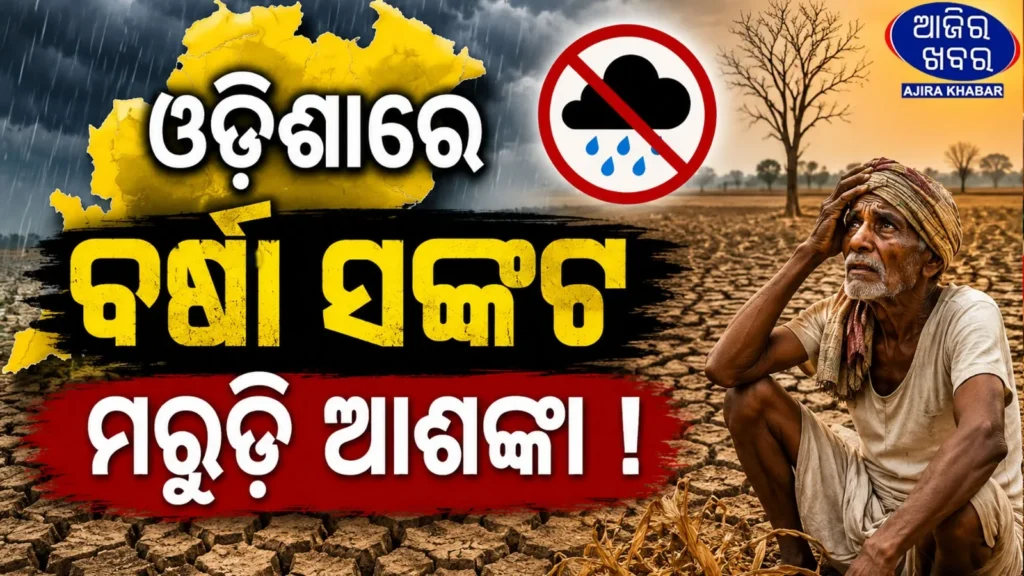

Monsoon Arrives in Odisha, But Lack of Rain Puts Kharif Farming at Risk.
Odisha

Monsoon Arrives in Odisha, But Lack of Rain Puts Kharif Farming at Risk.

Monsoon Arrives in Odisha, But Lack of Rain Puts Kharif Farming at Risk. The southwest monsoon may have reached Odisha, but the much-awaited agricultural rainfall remains elusive. With the Kharif cropping season underway, thousands of farmers across the state are anxiously looking to the skies as prolonged dry conditions threaten cultivation and raise fears of drought. Despite the official onset of the monsoon, several districts have received far below-normal rainfall, leaving vast stretches of agricultural land dry. The delay has disrupted Kharif farming operations that traditionally begin after Akshaya Tritiya, forcing farmers to postpone sowing and nursery transplantation. In Mayurbhanj district, where the administration has set a target of cultivating over 4.22 lakh hectares during the Kharif season, dry fields continue to dominate the landscape. Farmers fear that if widespread rainfall does not occur in the coming days, crop losses could become inevitable, severely affecting agricultural productivity. The situation is equally worrying in Bhadrak. Instead of tractors and ploughs preparing fields for cultivation, grazing cattle can be seen across farmland that remains too dry for agricultural operations. The district has targeted cultivation over 1.37 lakh hectares, but inadequate rainfall has stalled progress. In Kendrapara’s Aul region, seedlings that had begun to sprout are now at risk of drying up due to a severe shortage of water. While a handful of farmers are using water pumps to irrigate their fields, many lack access to irrigation facilities and remain completely dependent on rainfall for survival. Farmers in Dhenkanal’s Bhuban area are also struggling. With limited canal irrigation, they are transporting water from nearby ponds and streams in an attempt to save their nurseries. In several places, cracked farmland has become a visible reminder of the worsening moisture deficit. Weather experts attribute the current rainfall shortage to the combined impact of El Niño conditions and a weak monsoon trough. These weather patterns have significantly reduced rainfall activity over Odisha, and forecasts suggest that widespread, continuous rainfall is unlikely in the immediate future. Agricultural experts have advised farmers to avoid rushing into sowing operations until sufficient rainfall is received. Instead, they recommend closely monitoring weather updates and making crop decisions based on rainfall patterns to minimize potential losses. The delay in monsoon rainfall has now become one of the biggest concerns for Odisha’s farming community. Agriculture remains the backbone of the state’s rural economy, and any prolonged rainfall deficit could affect not only Kharif production but also food security and farmers’ incomes. As the days pass without adequate rain, uncertainty continues to grow. For now, Odisha’s farmers remain hopeful that the monsoon will soon deliver the showers needed to revive their fields and safeguard this year’s Kharif season.

Monsoon Arrives in Odisha, But Lack of Rain Puts Kharif Farming at Risk. Read Post »

Odisha to Introduce PNG Connections in Hostel Kitchens to Address LPG Supply Challenges
Odisha, Politics

Odisha to Introduce PNG Connections in Hostel Kitchens to Address LPG Supply Challenges

Odisha to Introduce PNG Connections in Hostel Kitchens to Address LPG Supply Challenges Bhubaneswar: In a significant move aimed at ensuring uninterrupted cooking facilities in student hostels, the Odisha Higher Education Department has directed eligible higher educational institutions to install Piped Natural Gas (PNG) connections in their hostel kitchens. The decision comes in response to recurring disruptions in Liquefied Petroleum Gas (LPG) supplies, which have affected the smooth functioning of hostel messes across the state. According to the department, institutions located in areas where PNG infrastructure is already available have been instructed to obtain PNG connections at the earliest. The initiative is expected to reduce dependence on LPG cylinders and provide a more reliable, continuous, and efficient fuel supply for hostel kitchens. The Higher Education Department has also emphasized the importance of adhering to all prescribed gas safety norms during the installation and operation of PNG systems. Educational institutions have been asked to ensure that proper safety measures are in place to prevent accidents and guarantee the well-being of students and staff. In addition, colleges and universities have been directed to submit progress reports on the implementation of PNG connections within the stipulated timeline. The department will closely monitor the rollout to ensure timely execution across eligible institutions. The transition to PNG is expected to offer multiple benefits, including uninterrupted fuel availability, reduced operational disruptions, and improved efficiency in hostel kitchen management. Compared to conventional LPG cylinders, PNG provides a continuous gas supply through pipelines, eliminating delays caused by cylinder shortages or transportation issues. Students living in hostels are likely to benefit significantly from this initiative, as regular meal preparation will become more reliable even during periods of LPG supply constraints. The move is also expected to enhance overall safety and streamline kitchen operations. With this decision, the Odisha Higher Education Department aims to modernize hostel infrastructure while ensuring that students receive uninterrupted dining services. The initiative reflects the government’s commitment to improving campus facilities and addressing practical challenges faced by educational institutions. Key Highlights

Odisha to Introduce PNG Connections in Hostel Kitchens to Address LPG Supply Challenges Read Post »

Former IAS Officer Sujata Karthikeyan Likely to Join BJD Today, Sparks Political Buzz in Odisha
Uncategorized

Former IAS Officer Sujata Karthikeyan Likely to Join BJD Today, Sparks Political Buzz in Odisha

Former IAS Officer Sujata Karthikeyan Likely to Join BJD Today, Sparks Political Buzz in Odisha Bhubaneswar, June 25 Odisha’s political landscape is witnessing intense speculation as former IAS officer Sujata Karthikeyan is reportedly set to join the Biju Janata Dal (BJD) today. The development has triggered widespread discussions across political circles, with many viewing it as a significant move that could reshape the party’s future strategy. According to reports, Sujata Karthikeyan may formally join the regional party during a crucial BJD meeting scheduled for today. The meeting, chaired by BJD president and former Chief Minister Naveen Patnaik, is expected to focus on strengthening the party organization and charting its future course following its electoral setback. However, the possibility of Sujata Karthikeyan’s entry into active politics has become the center of attention. Political observers believe that her induction could signal a new direction for the party as it seeks to rebuild and strengthen its organizational structure. Social Media Post Adds Fuel to the Debate The political discussion gained momentum after a social media post by BJD leader Sreemayee Mishra drew significant attention. Without directly naming anyone, Mishra appeared to criticize certain individuals whom she accused of attempting to gain greater control over the party despite its recent electoral defeat. In her post, she remarked that the foundation for the government’s downfall had been laid during Kartik Purnima in 2023 and suggested that another crucial turning point for the party could emerge on Nirjala Ekadashi. She further alleged that some individuals were now aiming to exert complete control over the party and its resources. Although no names were mentioned, political analysts and party insiders have interpreted the remarks as an indirect reference to former IAS officer V.K. Pandian and his wife, Sujata Karthikeyan. The post has since become a major talking point in Odisha politics. Why Sujata Karthikeyan’s Entry Matters Sujata Karthikeyan has served in several important administrative roles during her career and is widely recognized for her experience in governance and public administration. Her possible entry into BJD could bring administrative expertise to the party at a time when it is reassessing its political strategy. The move is also being closely watched because of her association with V.K. Pandian, who played a prominent role in Odisha politics and governance in recent years. Any formal political role for Sujata is likely to attract significant public and political attention. A New Political Equation? Political experts believe that if Sujata Karthikeyan officially joins BJD, it could create new equations within the party. Supporters may view her entry as an opportunity to strengthen the party with experienced leadership, while critics fear it could intensify existing internal differences. As BJD leaders gather for today’s important meeting, all eyes remain on whether Sujata Karthikeyan will formally join the party and what message such a move would send regarding Naveen Patnaik’s future plans for the organization. Conclusion The coming hours are expected to be crucial for Odisha politics. Whether the speculation surrounding Sujata Karthikeyan’s entry turns into reality remains to be seen. What is certain, however, is that the discussion has already generated significant political interest and could influence the future direction of the Biju Janata Dal in the months ahead.

Former IAS Officer Sujata Karthikeyan Likely to Join BJD Today, Sparks Political Buzz in Odisha Read Post »

NEET Exam Pattern May Change from Next Year: Centre Signals Shift to Computer-Based Testing for Greater Transparency
Education, Trending

NEET Exam Pattern May Change from Next Year: Centre Signals Shift to Computer-Based Testing for Greater Transparency

NEET Exam Pattern May Change from Next Year: Centre Signals Shift to Computer-Based Testing for Greater Transparency India’s medical entrance examination system could be heading toward one of its biggest reforms in recent years. The National Eligibility cum Entrance Test (NEET), which determines admission to medical courses across the country, may soon move from the traditional pen-and-paper format to a Computer-Based Test (CBT) model. The indication came from Union Education Minister Dharmendra Pradhan, who suggested that the government is considering major changes to strengthen the examination process and improve transparency following concerns over question paper leaks and examination-related controversies. A Major Shift in the NEET Examination System For years, NEET has been conducted in an offline mode where students answer questions on paper using OMR sheets. However, repeated concerns over examination security and allegations surrounding question paper leaks have triggered discussions on introducing a more technology-driven system. According to the minister, moving NEET to a Computer-Based Test (CBT) format could help make the process more secure, transparent, and efficient. If implemented, the change could mark a significant transformation in how lakhs of medical aspirants across India prepare for and appear in one of the country’s most competitive entrance examinations. Why Is the Government Considering CBT? The proposed transition comes amid growing demands for reforms in national-level examinations. A computer-based examination model is expected to offer several advantages: Supporters of the move believe that digital examination systems can reduce human intervention and strengthen trust in the examination process. Political Debate Around NEET Apart from discussing examination reforms, the Union Education Minister also addressed the political debate surrounding NEET. He criticized opposition parties for allegedly creating uncertainty and anxiety among students for political reasons. According to him, raising questions is part of democratic discussion, but creating confusion around students’ futures should be avoided. His remarks particularly targeted criticism coming from opposition leaders over the handling of examination-related issues. Clarification on Examination Centre Controversy The minister also responded to recent concerns regarding an examination centre allocation issue involving a candidate from Nagpur whose centre was reportedly assigned in Abu Dhabi. According to the clarification provided, the candidate had initially selected the Abu Dhabi centre and was later offered an opportunity by the National Testing Agency (NTA) to appear from Nagpur as well. The minister alleged that misleading narratives around the issue had spread on social media. Concerns and Questions Among Students While many see CBT as a step toward modernization, the possibility of introducing computer-based NEET has also raised questions among students and parents. Some key concerns include: Education experts believe that if the transition happens, adequate preparation time, mock tests, and infrastructure support will be necessary to ensure fairness. What Happens Next? At present, no final announcement has been made regarding the implementation timeline. However, the government’s indication has already sparked nationwide discussion among students, educators, and parents. If introduced, the shift from paper-based testing to CBT could redefine India’s medical entrance examination landscape and become one of the most significant education reforms in recent years. For now, students are advised to continue focusing on their preparation while keeping an eye on official announcements regarding future examination updates.

NEET Exam Pattern May Change from Next Year: Centre Signals Shift to Computer-Based Testing for Greater Transparency Read Post »

Think Before You Eat: How Fast Food and Social Media Trends May Be Affecting Kidney Health
Wellness

Think Before You Eat: How Fast Food and Social Media Trends May Be Affecting Kidney Health

Think Before You Eat: How Fast Food and Social Media Trends May Be Affecting Kidney Health In today’s fast-moving lifestyle, convenience often takes priority over nutrition. From morning coffee runs to afternoon burgers and late-night food delivery orders, fast food and packaged meals have become a regular part of life—especially among Millennials and Gen Z. Add the influence of social media trends, and food choices are increasingly driven by appearance, popularity, and convenience rather than long-term health. Health experts are now raising concerns that these changing eating habits may not only affect overall wellness but could also increase the risk of kidney-related health issues over time. The Rise of Convenience Food Culture Busy schedules and digital lifestyles have made “convenience food” more popular than ever. Instant meals, processed snacks, sugary beverages, and restaurant-style fast food are now easily available and heavily promoted online. Food content across social platforms often highlights visual appeal and trends rather than nutritional value. Attractive food videos and viral eating trends can influence young audiences to prioritize taste and presentation over balanced eating. While enjoying such foods occasionally is generally not a concern, experts suggest that frequent dependence on ultra-processed foods may contribute to long-term health challenges. Why Kidney Health Matters The kidneys perform essential functions in the body. They: When kidney function declines, harmful substances can accumulate in the body. One challenge with kidney disease is that it may develop gradually and often shows few noticeable symptoms in the early stages, making prevention and healthy lifestyle choices especially important. How Modern Eating Habits May Affect the Kidneys According to health experts, certain dietary patterns may place additional stress on kidney health over time: 1. Ultra-Processed Foods Many packaged and processed foods contain: High sodium intake may contribute to elevated blood pressure, which is a known risk factor for kidney disease. 2. Sugary Drinks and Energy Beverages Soft drinks, sweetened juices, and excessive energy drink consumption may contribute to metabolic health concerns and increased calorie intake. 3. Excessive Salt Consumption Regular consumption of fast food often leads to higher salt intake than recommended, which may affect blood pressure and kidney function over time. 4. Poor Hydration Habits Skipping water and replacing it with sugary beverages may reduce healthy hydration practices. 5. Unsupervised Supplement and Medication Use Experts also caution against frequent use of supplements, energy boosters, and pain-relief medications without professional guidance, as some substances may affect kidney health when overused. Is Social Media Changing the Way We Eat? Social media platforms have transformed food culture. Today’s food trends often encourage: Experts advise evaluating food choices based on nutritional balance rather than online popularity. Early Lifestyle Diseases Are Becoming More Common Healthcare professionals have also observed growing concern around lifestyle-related conditions among younger age groups, including: These conditions can also influence kidney health over time. Simple Habits That Support Kidney Health Experts recommend practical daily habits to support long-term wellness: ✔ Drink adequate water throughout the day✔ Eat balanced meals with vegetables, fruits, and whole foods✔ Limit excessive fast food and processed snacks✔ Monitor blood pressure and blood sugar regularly✔ Exercise consistently✔ Avoid self-medication and unnecessary supplement use✔ Focus on sustainable eating habits rather than online diet trends Final Thoughts Fast food and social media are now deeply connected to modern lifestyle—but convenience should not replace nutrition. Viral food trends may come and go, but healthy habits create lasting benefits. The message from experts is simple: good health is built through daily choices, not social media trends. Thinking before you eat today may help protect your health for years to come.

Think Before You Eat: How Fast Food and Social Media Trends May Be Affecting Kidney Health Read Post »

Big Relief for Government Employees: West Bengal Raises DA to 38%, Higher Salaries from October 2026
Politics

Big Relief for Government Employees: West Bengal Raises DA to 38%, Higher Salaries from October 2026

Big Relief for Government Employees: West Bengal Raises DA to 38%, Higher Salaries from October 2026 Kolkata: In a major announcement that is expected to bring financial relief to lakhs of families across the state, the West Bengal Government has announced a 20 percentage point increase in Dearness Allowance (DA) for government employees and pensioners in its 2026–27 budget. With this revision, DA will rise from the existing 18% to 38%, and the new rates will come into effect from October 1, 2026. The move is being viewed as one of the biggest salary-related announcements for state government employees in recent years and is expected to significantly improve monthly earnings amid rising living costs. What Does the DA Hike Mean for Employees? Dearness Allowance (DA) is a cost-of-living adjustment provided to government employees and pensioners to help offset inflation. Since DA is calculated as a percentage of the employee’s basic salary, any increase directly impacts take-home income. For example: This increase is expected to provide stronger financial support for household expenses, savings, education, healthcare, and day-to-day living costs. Pensioners Also Set to Benefit The benefit is not limited to serving employees. The government has confirmed that state pensioners will also receive the revised allowance, extending financial support to retired personnel across West Bengal. Budget Goes Beyond Salary Relief Alongside the DA announcement, the state government also unveiled a broader employment and welfare package aimed at boosting economic confidence and public welfare. 1 Lakh Government Jobs Announced The government announced plans to fill 1 lakh vacancies across different departments, creating fresh employment opportunities for youth in the state. Additionally, 33% of these positions will be reserved for women, promoting greater participation in public sector employment. Police Recruitment Drive A major recruitment push has also been announced for the police department, with 20,000 vacant positions expected to be filled in the coming phase, strengthening public service and employment generation. Focus on Women’s Education To encourage education and empower young women, the government announced a ₹50,000 scholarship support initiative for girl students studying in government schools, adding another major welfare component to the budget package. Economic and Social Impact The DA hike is expected to increase spending capacity among employees and pensioners, which may positively influence local markets and household consumption. Combined with job creation and education support, the budget reflects an attempt to balance employee welfare, employment generation, and long-term development priorities. Final Word The increase in Dearness Allowance to 38%, together with new recruitment plans and welfare measures, marks a significant announcement in West Bengal’s 2026 budget. For government employees and pensioners, October 2026 could bring a noticeable increase in monthly income and greater financial stability in the months ahead.

Big Relief for Government Employees: West Bengal Raises DA to 38%, Higher Salaries from October 2026 Read Post »

Monsoon to Regain Strength in Odisha from Tomorrow; Rain, Thunderstorms and 60 Kmph Winds Likely Across State
Odisha

Monsoon to Regain Strength in Odisha from Tomorrow; Rain, Thunderstorms and 60 Kmph Winds Likely Across State

Monsoon to Regain Strength in Odisha from Tomorrow; Rain, Thunderstorms and 60 Kmph Winds Likely Across State Odisha is set to witness a fresh spell of wet weather as the southwest monsoon is expected to regain strength from tomorrow, bringing widespread rainfall, thunderstorms, lightning, and gusty winds across the state over the next five days. Weather conditions are already turning favourable, with cloudy skies and intermittent showers being reported in several districts. According to forecasts by the Meteorological Department, the revival of monsoon activity along with Kalbaisakhi-like weather conditions is expected to influence most parts of Odisha. The changing weather pattern is likely to bring relief from heat and humidity but may also lead to localized disruptions due to strong winds and thunderstorms. Rain and Thunderstorm Alerts Issued for Several Districts Weather alerts have been issued for Koraput, Rayagada, and Malkangiri, where rainfall accompanied by thunder and lightning is expected. Additionally, districts including Keonjhar, Deogarh, Jagatsinghpur, Nayagarh, Puri, and Khurda have been placed under alert for thunderstorm activity and rain over the coming hours. Strong winds with speeds of 50 to 60 kmph may accompany these weather events in some places. Monsoon Revival Brings Relief Across Odisha The return of active monsoon conditions is expected to provide relief from recent warm and humid weather experienced in many parts of the state. Across Odisha, overcast skies and light rainfall have already created a noticeable change in weather conditions. Meteorologists indicate that favourable atmospheric conditions are supporting further advancement and strengthening of the southwest monsoon across eastern and central India, including Odisha. Advisory for Residents With thunderstorms and gusty winds likely in several areas, people are advised to remain cautious: Impact on Agriculture and Daily Life The expected rainfall may prove beneficial for agricultural activity and improve soil moisture conditions ahead of seasonal cultivation. However, heavy rain and sudden gusts may temporarily affect transportation and outdoor activities in some districts. As Odisha prepares for another active phase of monsoon, residents are advised to stay updated with weather alerts and remain prepared for changing conditions over the next few days.

Monsoon to Regain Strength in Odisha from Tomorrow; Rain, Thunderstorms and 60 Kmph Winds Likely Across State Read Post »

Speaker Rejects BJD’s Appeal to Disqualify Eight MLAs Over Rajya Sabha Cross-Voting
Odisha, Politics

Speaker Rejects BJD’s Appeal to Disqualify Eight MLAs Over Rajya Sabha Cross-Voting

Speaker Rejects BJD’s Appeal to Disqualify Eight MLAs Over Rajya Sabha Cross-Voting In a significant political development in Odisha, the Biju Janata Dal (BJD) has suffered a setback after Odisha Assembly Speaker Surama Padhy rejected the party’s plea seeking disqualification of eight MLAs accused of cross-voting during the Rajya Sabha elections. The decision has triggered fresh political debate in the state and could have wider implications for party discipline and legislative politics in Odisha. Background: Rajya Sabha Election and Cross-Voting Allegations The controversy traces back to the Rajya Sabha elections held in March, where allegations of cross-voting surfaced within the BJD camp. The regional party claimed that several of its legislators voted against the official party position during the election process. Following the allegations, the BJD initiated internal action and issued notices to the concerned legislators seeking explanations regarding their conduct. Later, the party moved ahead with a formal appeal seeking their disqualification. Eight MLAs Named in the Petition The BJD had sought action against the following eight MLAs: The party alleged that their actions amounted to violating party discipline during the Rajya Sabha voting process. Speaker Rejects Disqualification Request After reviewing the matter, Speaker Surama Padhy rejected the disqualification application filed by BJD. The decision effectively means that the eight MLAs will continue to retain their positions in the Odisha Legislative Assembly. While detailed reasoning behind the decision is expected to attract political and legal attention, the outcome is being viewed as a major setback for the opposition party’s attempt to take action against the legislators. Political Reactions Expected The Speaker’s decision is likely to intensify political discussions in Odisha. For the BJD, the development raises questions about internal unity and political management following the Rajya Sabha election episode. On the other hand, supporters of the decision may interpret it as a reinforcement of legislative procedure and constitutional safeguards. Political observers believe the issue may continue to influence party equations and future political strategies in the state. What This Means Going Forward Cross-voting has often been one of the most debated issues in Indian politics, particularly during indirect elections such as Rajya Sabha polls. The Odisha development once again highlights the delicate balance between party discipline and legislative procedures. With the disqualification plea now rejected, attention will shift to whether the BJD pursues any further political or legal course of action. The decision marks another important chapter in Odisha’s evolving political landscape and is expected to remain a topic of discussion in the coming weeks.

Speaker Rejects BJD’s Appeal to Disqualify Eight MLAs Over Rajya Sabha Cross-Voting Read Post »

Unverified News Sparks Controversy: Argentine Anchor Quits Over False Messi Family Report
Trending

Unverified News Sparks Controversy: Argentine Anchor Quits Over False Messi Family Report

Unverified News Sparks Controversy: Argentine Anchor Quits Over False Messi Family Report In a stark reminder of the dangers of prioritizing speed over accuracy, Argentina’s media industry has come under scrutiny after a television channel broadcast false information regarding the family of football superstar Lionel Messi. The incident, which quickly drew public attention and criticism, ultimately led to the resignation of a TV anchor and renewed debate about journalistic responsibility in the era of breaking news. A Breaking News Error That Triggered National Attention The controversy began when an anchor on Argentine digital broadcaster Luzu TV reportedly announced during a live program that Jorge Messi, father of Lionel Messi, had passed away. The report further suggested that the emotional impact of the alleged tragedy could influence Lionel Messi’s future football decisions, including speculation surrounding the 2026 FIFA World Cup. The news spread rapidly and sparked concern among fans and viewers before its accuracy was verified. However, within a short period, the claim was officially denied. Messi Family Rejects the Report Following the circulation of the report, the Messi family clarified that Jorge Messi had not passed away. According to statements referenced by multiple media outlets, he was undergoing medical treatment due to health-related issues and his condition was gradually improving. The clarification immediately shifted public attention from concern over the family’s well-being to criticism of the media outlet that aired the report. Anchor Takes Responsibility and Resigns After the false report was exposed, the anchor involved publicly apologized and stepped down from the position. According to her explanation shared publicly, the information had been communicated to her through an internal earpiece during the live broadcast. Despite stating that she relied on information being provided in real time, she accepted responsibility for presenting the unverified report on air. In her apology, she expressed regret over the distress caused to the Messi family during a difficult period. Channel Issues Public Apology Luzu TV also responded to the controversy by issuing an apology and acknowledging that broadcasting sensitive information without proper verification was unacceptable. The channel reportedly stated that internal action had been taken and individuals responsible for the breakdown in editorial processes had been removed from their roles. The incident has raised wider questions about newsroom workflows, editorial pressure, and verification standards in live broadcasting environments. A Lesson for Modern Journalism The controversy serves as another example of the challenges facing modern media organizations. In today’s digital environment, where competition to publish first is intense, the pressure to deliver instant updates can sometimes lead to serious errors. Yet incidents like this demonstrate that speed cannot replace verification. False reporting—especially involving personal loss or health—can damage not only a media outlet’s credibility but also deeply affect the individuals and families involved. For news organizations, the lesson remains clear: being first matters less than being right. As audiences continue to demand trustworthy journalism, rigorous fact-checking and editorial accountability remain essential pillars of responsible reporting.

Unverified News Sparks Controversy: Argentine Anchor Quits Over False Messi Family Report Read Post »

Scroll to Top