July 2026

Mahanadi Water Level Rising, Flood Concerns Grow in Downstream Areas.
National, Odisha, Trending

Mahanadi Water Level Rising, Flood Concerns Grow in Downstream Areas.

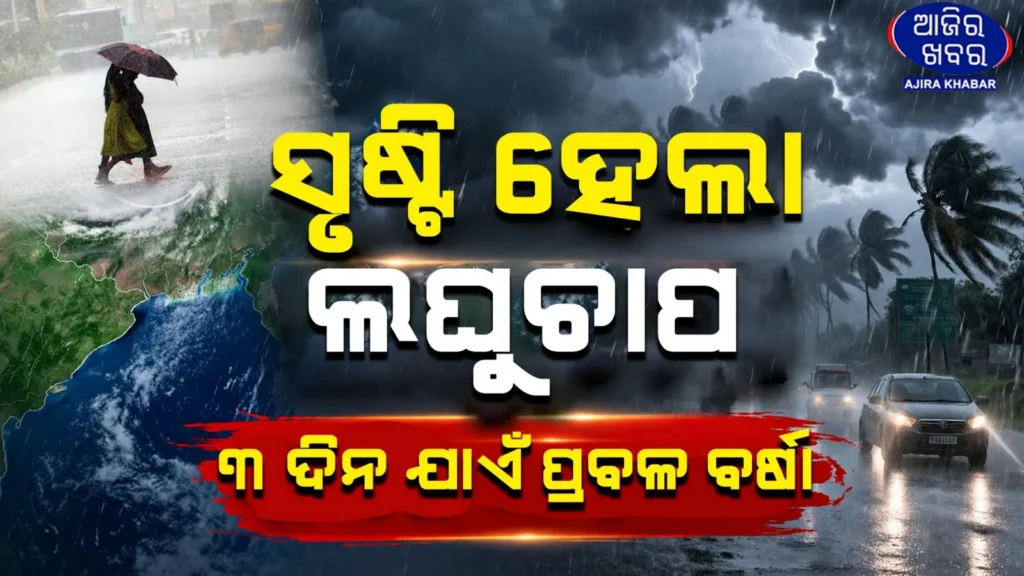
Mahanadi Water Level Rising, Flood Concerns Grow in Downstream Areas. Concern is mounting across Odisha as the water level of the Mahanadi River continues to rise, increasing the risk of flooding in downstream districts. Although rainfall has eased in many parts of the state, the inflow of floodwater from upstream rivers has kept the river swollen, prompting authorities to remain on high alert. A major reason behind the rising water level is the floodwater from the Tel River, which has merged with the Mahanadi near Sonepur. As a result, the river is flowing close to both its banks, raising fears of inundation in low-lying areas. Adding to the concern, the Hirakud Dam is scheduled to release the first floodwater of the current monsoon season on Wednesday. According to official estimates, the released water is expected to reach Subarnapur district by July 10, which could lead to a further rise in the Mahanadi’s water level. The district administration has advised residents living along the river and in flood-prone areas to remain alert and closely follow official advisories. Local authorities are continuously monitoring the river’s flow and are prepared to respond if the situation worsens. While waterlogging caused by recent rainfall is gradually receding in several areas, the fresh inflow of floodwater from upstream remains a serious concern. Officials are keeping a close watch on the river’s behaviour and coordinating with disaster management teams to ensure timely action if required. Residents are urged not to panic but to stay informed through official weather and flood bulletins. People living in vulnerable locations should be prepared to move to safer places if evacuation instructions are issued. As the monsoon season continues, the situation remains dynamic. The coming days will be crucial in determining the flood impact across the Mahanadi basin, making vigilance and preparedness essential for both authorities and the public.

Mahanadi Water Level Rising, Flood Concerns Grow in Downstream Areas. Read Post »

http://192.168.1.65:30002/admin/rule-setup
National, Odisha, Trending

Gold Prices Fall, Confusion Grows: Buy Now or Wait for PM Modi’s Appeal?

Gold Prices Fall, Confusion Grows: Buy Now or Wait for PM Modi’s Appeal? New Delhi: A decline in gold prices has once again attracted buyers to jewellery stores across India. As prices ease from recent highs, customer footfall has increased, with many people considering this a good opportunity to invest in gold. However, the price correction has also revived an important question: Should consumers buy gold now, or wait in line with Prime Minister Narendra Modi’s earlier appeal to reduce gold purchases? Gold Prices Witness a Decline After touching record highs in recent months, gold prices have witnessed fluctuations in both international and domestic markets. The recent correction has encouraged many consumers to return to the market, especially those planning to purchase jewellery for weddings, festivals, or investment purposes. According to the latest market rates in Bhubaneswar, 24-carat gold is priced at ₹1,40,770 per 10 grams (₹14,077 per gram), while 22-carat gold is available at ₹1,29,040 per 10 grams (₹12,904 per gram). Despite the recent fall, prices remain significantly higher than they were a year ago. Why PM Modi’s Earlier Appeal Is Being Discussed Again The recent movement in gold prices has reminded many people of Prime Minister Narendra Modi’s earlier appeal, made during a period of global economic uncertainty and rising crude oil prices. At that time, he urged citizens to avoid unnecessary gold purchases for about a year. The rationale behind the appeal was economic. Since India imports a large portion of its gold, reducing imports could help ease pressure on the country’s foreign exchange reserves. It was also seen as a way to balance the increasing import bill caused by higher global crude oil prices. Is There Any Government Ban on Buying Gold? It is important to note that there is currently no government ban or official restriction on purchasing gold. Consumers remain free to buy gold according to their personal needs and financial plans. The Prime Minister’s earlier remarks were an appeal aimed at promoting economic prudence during a challenging period rather than a legal or regulatory directive. Should You Buy Gold Now? Financial experts generally advise buyers to base their decisions on their individual goals rather than short-term price movements. Those purchasing gold for weddings or immediate family needs may choose to buy despite market volatility. Investors, on the other hand, should remember that gold prices can rise or fall depending on global economic conditions, interest rates, currency movements, and geopolitical developments. Instead of trying to predict the perfect time to buy, many investors prefer making purchases gradually over time to reduce the impact of price fluctuations. Conclusion The recent decline in gold prices has revived consumer interest while also reopening the debate over whether this is the right time to buy. Although Prime Minister Narendra Modi’s earlier appeal continues to be discussed, there is no official restriction on gold purchases. Ultimately, the decision depends on an individual’s financial priorities, investment strategy, and future requirements. As gold prices continue to fluctuate, buyers are advised to stay informed and make well-considered decisions rather than reacting solely to short-term market movements.

Gold Prices Fall, Confusion Grows: Buy Now or Wait for PM Modi’s Appeal? Read Post »

Court Issues Summons to Naveen Patnaik and V.K. Pandian Over Helicopter Expenditure
National, Odisha, Trending

Court Issues Summons to Naveen Patnaik and V.K. Pandian Over Helicopter Expenditure.

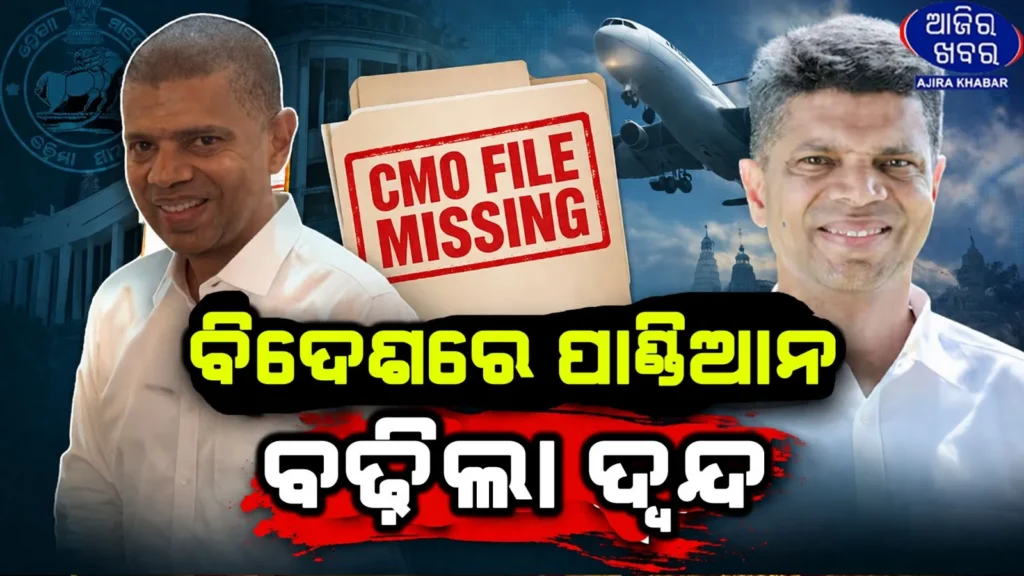
Court Issues Summons to Naveen Patnaik and V.K. Pandian Over Helicopter Expenditure A fresh legal development has emerged in Odisha over the alleged expenditure on chartered flights and helicopter services during the tenure of the previous state government. A court has issued summons to former Odisha Chief Minister Naveen Patnaik and former senior bureaucrat V.K. Pandian, directing them to submit details related to the use of helicopters and chartered aircraft during official tours. Court Seeks Detailed Report According to reports, the matter is currently pending before the Khordha District Court. The court has directed Naveen Patnaik and V.K. Pandian to furnish their response within the stipulated time. The next hearing in the case has been scheduled for July 18, and the concerned parties have reportedly been asked to submit the required information before the deadline. The case originated from a complaint filed by advocate Sudhir Mohanty, who questioned the expenditure incurred on helicopter and chartered flight services during the previous government. It has been alleged that more than 300 helicopter sorties were undertaken for official visits and public meetings across various districts of Odisha. Allegations Over Expenditure As per the allegations, the Odisha Transport Department reportedly spent substantial amounts on aviation services. Around ₹50.55 crore was allegedly paid to OSS Air Management, while another ₹52.18 crore was paid to Jet Serve Aviation for chartered flights and helicopter operations. The complainant has sought clarity on the purpose of these tours, the approvals granted for the expenditure, and whether the use of public funds complied with the prescribed government rules and protocols. Questions Over Official Protocol The petition has also raised questions regarding the eligibility of officials to use government-funded helicopter services. Under existing protocols, such facilities are generally meant for constitutional and senior government functionaries, including the Chief Minister, Chief Secretary, and Director General of Police. The complaint alleges that V.K. Pandian was not holding a position that entitled him to such facilities during the relevant period, making the expenditure a subject of legal scrutiny. Transport Department Asked to Submit Records The court has also directed the Odisha Transport Department to produce detailed records of the helicopter and chartered flight operations. These include: These records are expected to help the court determine whether the expenditure followed the established legal and administrative procedures. No Official Response Yet As of now, neither Naveen Patnaik nor V.K. Pandian has issued an official public response regarding the court summons or the allegations mentioned in the case. The proceedings remain at the judicial stage, and the issuance of summons should not be interpreted as proof of wrongdoing. The court is expected to examine the records and responses submitted by all concerned parties before arriving at any conclusion. Conclusion The helicopter expenditure case has become one of the significant legal matters concerning the previous Odisha administration. With the next hearing scheduled for July 18, attention will remain on whether the required reports are submitted on time and what findings emerge from the court proceedings. The outcome could have important implications for transparency and accountability in the use of public funds.

Court Issues Summons to Naveen Patnaik and V.K. Pandian Over Helicopter Expenditure. Read Post »

Russia Faces Fuel Crisis Amid Ukraine War, Turns to India for Gasoline Supply
National, Politics, Trending

Russia Faces Fuel Crisis Amid Ukraine War, Turns to India for Gasoline Supply.

Russia Faces Fuel Crisis Amid Ukraine War, Turns to India for Gasoline Supply. Russia Grapples with Fuel Shortage as War Continues The Russia–Ukraine war continues with no sign of a lasting ceasefire, and its impact is now being felt deep inside Russia. After years of military conflict and repeated attacks on critical infrastructure, Russia is reportedly facing a growing fuel crisis. Long queues have appeared at petrol stations in several regions, fuel prices have increased, and the government is working to stabilize domestic supplies. Recent reports suggest that Ukrainian drone and air strikes targeting Russian oil refineries and energy infrastructure have disrupted fuel production and distribution. These attacks have affected refinery operations, creating challenges in meeting the country’s daily gasoline demand. Fuel Prices Rise, Supply Under Pressure The fuel shortage has led to increased pressure on Russia’s energy sector. In several areas, motorists have been forced to wait for hours at petrol stations due to limited fuel availability. At the same time, gasoline prices have risen sharply, adding to concerns among consumers and businesses. Although Russia remains one of the world’s largest oil producers, refining and distribution disruptions have made it difficult to ensure a steady supply of fuel across the country. Officials are closely monitoring the situation and exploring options to ease the shortage. India Emerges as a Key Fuel Supplier To address the growing crisis, Russia has reportedly begun importing gasoline from India through sea routes. According to reports, India has already supplied around 60,000 metric tonnes of gasoline to Russia, while additional tanker shipments carrying between 30,000 and 40,000 tonnes each are on their way. The development marks a notable shift in energy trade. In recent years, India significantly increased its imports of discounted Russian crude oil. Indian refineries process this crude into petroleum products, including gasoline, some of which are now being exported to international markets, including Russia. Russia Expands Fuel Import Strategy Apart from India, Russia is also exploring fuel imports from other countries to stabilize domestic supplies. Belarus, one of Russia’s closest allies, has already started supplying fuel, while discussions with additional partners are reportedly underway. Reports indicate that Russia may plan to import up to 400,000 metric tonnes of gasoline per month if supply disruptions continue. The move is aimed at ensuring adequate fuel availability during the peak summer season, when domestic demand typically reaches its highest levels. Government Responds to Energy Challenges Russian President Vladimir Putin recently held meetings with senior ministers and energy officials to review the country’s fuel situation. During the discussions, officials acknowledged that Ukrainian attacks on oil refineries had contributed to fuel shortages in certain regions. The government is expected to continue monitoring refinery operations, strengthen fuel logistics, and increase imports where necessary to prevent further supply disruptions. What Lies Ahead? The ongoing conflict continues to reshape global energy markets and supply chains. If attacks on Russia’s energy infrastructure persist, maintaining stable fuel supplies could become an even greater challenge. Increased imports from countries such as India may provide temporary relief, but the long-term solution will largely depend on the restoration of refinery capacity and the future course of the Russia–Ukraine war. As the conflict enters another phase, developments in the energy sector will remain closely watched, not only for their impact on Russia but also for global fuel markets and international trade.

Russia Faces Fuel Crisis Amid Ukraine War, Turns to India for Gasoline Supply. Read Post »

Scroll to Top