2026

Fuel Prices Surge Again: Petrol and Diesel Rates Spike Across India, Public Hit by Fresh Inflation Blow
National

Fuel Prices Surge Again: Petrol and Diesel Rates Spike Across India, Public Hit by Fresh Inflation Blow

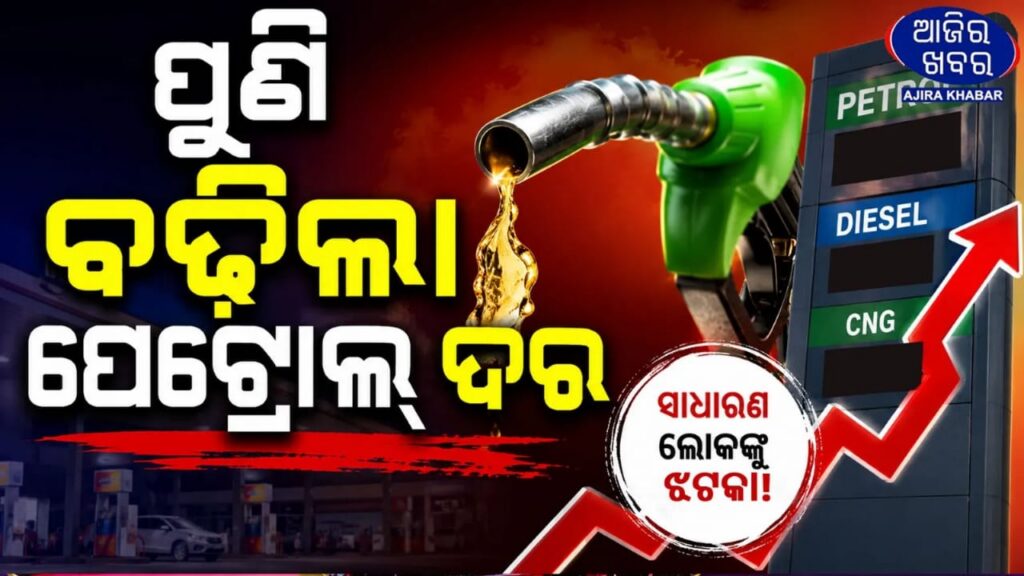
Fuel Prices Surge Again: Petrol and Diesel Rates Spike Across India, Public Hit by Fresh Inflation Blow India is once again witnessing a sharp rise in fuel prices, bringing fresh financial pressure on millions of common citizens. In yet another hike within just ten days, petrol and diesel prices have increased for the fourth time, intensifying concerns over inflation and the rising cost of daily living. This latest increase has pushed petrol and diesel rates to record highs in several cities across the country, including Odisha’s capital Bhubaneswar, where consumers are already struggling with increasing expenses on transportation, food, and essential commodities. Latest Fuel Prices Across Major Cities According to the latest fuel price revision, petrol prices have gone up by ₹2.61 per litre, while diesel has become costlier by ₹2.71 per litre. Here’s a look at the updated fuel prices in major cities: Bhubaneswar: Petrol ₹109.16 | Diesel ₹100.81 Delhi: Petrol ₹102.12 | Diesel ₹95.20 Mumbai: Petrol ₹111.21 | Diesel ₹97.83 Kolkata: Petrol ₹113.51 | Diesel ₹99.82 Chennai: Petrol ₹107.77 | Diesel ₹99.55 Meanwhile, premium speed petrol in Bhubaneswar has also touched a massive ₹118.27 per litre. The continuous rise in fuel rates is becoming a major concern for both middle-class families and transport-dependent businesses. What Is Causing the Sudden Fuel Price Hike? Experts believe that the ongoing geopolitical tensions and war-like situation in the Middle East have significantly affected the global crude oil market. The prices of crude oil in the international market have been rising steadily, directly impacting oil-importing countries like India. As India imports a large portion of its crude oil requirements, any increase in global crude prices immediately affects domestic petrol and diesel rates. Fluctuations in the rupee-dollar exchange rate and transportation costs are also adding pressure to fuel pricing. Common Citizens Fear Another Wave of Inflation The latest fuel price hike is expected to trigger a chain reaction across various sectors. Transportation costs are likely to increase, which may eventually affect the prices of vegetables, groceries, milk, and other essential commodities. Public transport operators and logistics companies are already expressing concern over rising operational costs. Many fear that bus fares, cab charges, and delivery expenses could increase in the coming days. For ordinary citizens, especially salaried employees and daily wage earners, the rising fuel prices are adding another burden to already stretched household budgets. Government Under Pressure With inflation becoming a growing concern, citizens and opposition parties are demanding immediate intervention from the government to control fuel prices. Experts suggest that temporary tax relief or reduction in excise duties could provide some relief to consumers. However, if international crude oil prices continue to rise, fuel prices in India may remain volatile in the coming weeks. As the country watches the global situation closely, one thing remains clear — rising fuel prices are no longer just about transportation; they are now directly impacting the everyday lives of millions of Indians.
Fuel Prices Surge Again: Petrol and Diesel Rates Spike Across India, Public Hit by Fresh Inflation Blow Read Post »

Odia Samaj Abu Dhabi Celebrates ‘Utkarsha 2026’ with Grandeur and Cultural Pride
Odisha

Odia Samaj Abu Dhabi Celebrates ‘Utkarsha 2026’ with Grandeur and Cultural Pride

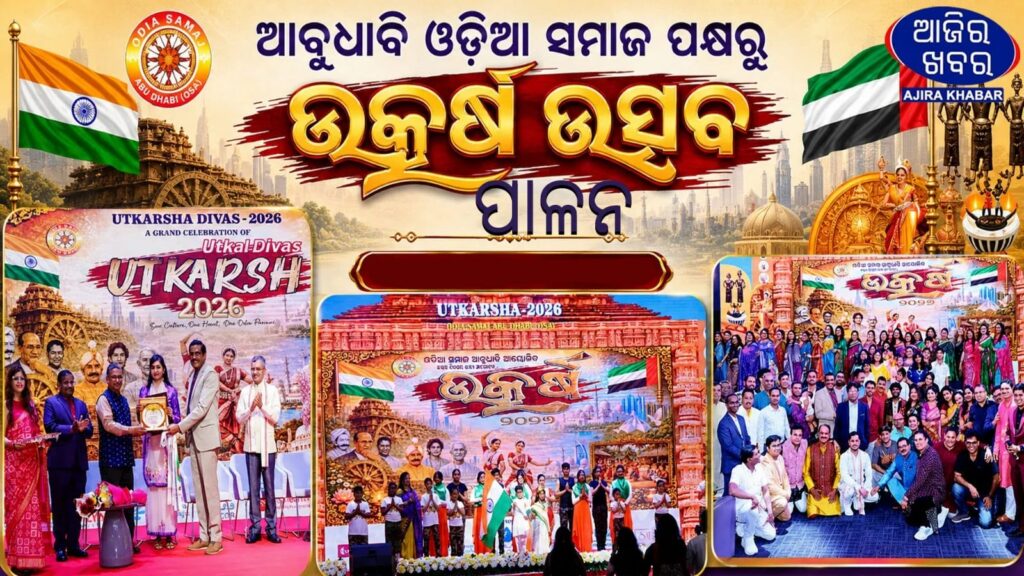
Odia Samaj Abu Dhabi Celebrates ‘Utkarsha 2026’ with Grandeur and Cultural Pride Abu Dhabi, May 2026:The vibrant spirit of Odisha came alive in the heart of the UAE as the Odia Samaj Abu Dhabi grandly celebrated ‘Utkarsha 2026’, bringing together hundreds of Odias living across the Emirates in a colorful showcase of culture, unity, and tradition. The annual cultural extravaganza witnessed enthusiastic participation from families, professionals, students, and community members who gathered to celebrate the rich heritage of Odisha with immense pride and joy. The event turned into a memorable evening filled with music, dance, tradition, and emotional connection to the motherland. A Grand Celebration of Odia Identity ‘Utkarsha 2026’ reflected the deep-rooted cultural values and unity of the Odia diaspora in the UAE. The venue was beautifully decorated with traditional Odia motifs, vibrant lighting, and artistic displays representing the essence of Odisha’s heritage. The celebrations began with the ceremonial lamp lighting and an invocation performance dedicated to Lord Jagannath, setting a spiritual and festive tone for the evening. Members of the organizing committee welcomed guests and highlighted the importance of preserving Odia culture among the younger generation living abroad. Mesmerizing Cultural Performances One of the biggest attractions of the event was the series of spectacular cultural performances presented by talented artists and community members. Traditional Odissi dance performances captivated the audience, while energetic folk dances showcased the diversity and richness of Odisha’s cultural landscape. Children and youth participants stole the spotlight with their confident stage performances, patriotic presentations, and creative acts celebrating Odisha’s language, art, and traditions. Musical performances featuring popular Odia songs added excitement and nostalgia to the evening. The audience responded with loud applause and appreciation, turning the event into a lively celebration of togetherness and cultural pride. Strengthening Community Bonds Beyond entertainment, ‘Utkarsha 2026’ served as a platform to strengthen emotional and social connections among Odias residing in the UAE. The event highlighted the growing presence and contribution of the Odia community in Abu Dhabi and across the Gulf region. Community leaders praised the efforts of volunteers and organizers for successfully hosting such a large-scale cultural celebration and creating a home-like atmosphere for Odias living far from their native state. Special recognitions and appreciation ceremonies were also organized to honor individuals who have contributed significantly to community welfare, cultural promotion, and social service initiatives. A Proud Moment for the Odia Diaspora The successful celebration of ‘Utkarsha 2026’ once again demonstrated how the Odia diaspora continues to preserve its traditions and cultural identity across global boundaries. The event not only celebrated Odisha’s glorious heritage but also inspired the younger generation to remain connected to their roots. As the evening concluded with joy, music, and community spirit, attendees carried back cherished memories and a renewed sense of pride in being part of the global Odia family. The grand success of the event reaffirmed the commitment of Odia Samaj Abu Dhabi towards promoting Odia culture and fostering unity among expatriates in the UAE.

Odia Samaj Abu Dhabi Celebrates ‘Utkarsha 2026’ with Grandeur and Cultural Pride Read Post »

India Postpones Major Africa Summit & Amps Up Airport Screening Amid Ebola Concerns
National, Wellness

India Postpones Major Africa Summit & Amps Up Airport Screening Amid Ebola Concerns

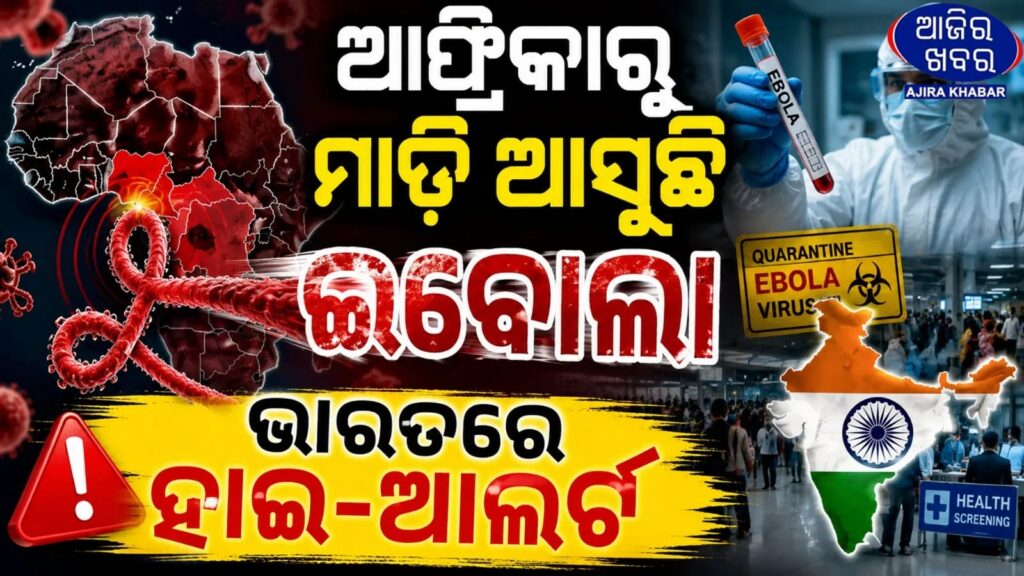
India Postpones Major Africa Summit & Amps Up Airport Screening Amid Ebola Concerns India is prioritizing global health safety over high-stakes diplomacy. In a proactive move following the World Health Organization’s (WHO) declaration of the Ebola outbreak as an “International Public Health Emergency,” the government has officially postponed the high-profile India-Africa Forum Summit. Originally slated to take place in New Delhi from May 28 to May 31, the decision comes as fatalities in Congo and Uganda climb past 80, raising serious cross-border transmission fears. Indian officials, in alignment with the African Union (AU), emphasized that safeguarding public health is the absolute priority. New dates for the diplomatic event will be scheduled once the global health situation stabilizes. Airports on High Alert: What You Need to KnowIn tandem with the postponement, the Union Health Ministry and the Directorate General of Health Services (DGHS) have rapidly deployed strict health protocols at all major Indian airports.Here is how authorities are stepping up vigilance:Targeted Screening: Enhanced health checks are mandatory for passengers arriving from heavily affected regions, including Congo, Uganda, and South Sudan.Self-Declaration: Incoming travelers from these zones must submit mandatory health forms upon arrival.Local Surveillance: State health departments—including Odisha—have been put on high alert, with hospitals prepping emergency response units just in case.The Good News: Health experts have confirmed that there are currently zero reported cases of Ebola in India. Officials are urging the public to stay informed and calm, emphasizing that these steps are purely precautionary.A Responsible Global PartnerWhile India is locking down its internal defenses, it isn’t turning its back on its global partners. The Ministry of External Affairs announced that India is extending humanitarian and medical aid to the affected African nations, proving that true diplomacy means standing together during a crisis.As the world tracks the evolving outbreak, India’s quick, responsible pivot shows that public safety will always come first.

India Postpones Major Africa Summit & Amps Up Airport Screening Amid Ebola Concerns Read Post »

No Relief in Sight: Odisha Braces for 5 More Days of Intense Heatwave
Odisha

No Relief in Sight: Odisha Braces for 5 More Days of Intense Heatwave

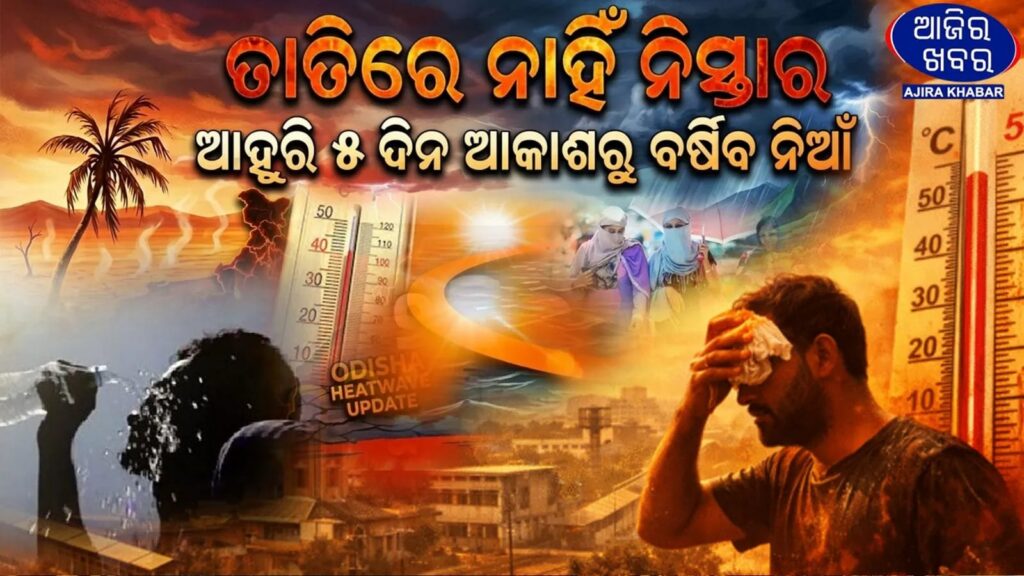
No Relief in Sight: Odisha Braces for 5 More Days of Intense Heatwave “There is no relief from the heat; for another five days, it will feel as if fire is raining from the sky.” This stark warning reflects the harsh reality currently unfolding across Odisha, where rising temperatures and relentless heatwaves are pushing daily life to its limits. Over the past few days, several parts of the state—including Bhubaneswar, Cuttack, Sambalpur, and Titlagarh—have recorded soaring temperatures well above seasonal averages. The combination of dry winds, clear skies, and high humidity levels has created extremely uncomfortable and, at times, dangerous conditions for residents. A State Under Heat Stress The ongoing heatwave has disrupted normal life. Streets that are usually bustling during the day now appear deserted during peak afternoon hours. Schools in some districts have adjusted timings, and outdoor work has slowed significantly as people try to avoid exposure to the scorching sun. Health experts are raising concerns over a sharp rise in heat-related illnesses such as dehydration, heat exhaustion, and heatstroke. Children, elderly individuals, and outdoor workers are particularly vulnerable. Hospitals and clinics are reportedly seeing an increase in patients experiencing dizziness, fatigue, and other heat-induced symptoms. Why Is It So Hot? Meteorologists attribute this intense heatwave to a combination of climatic factors, including delayed pre-monsoon activity and the absence of significant rainfall. Dry northwesterly winds and prolonged exposure to direct sunlight have further intensified the heat across the region. With no immediate weather system strong enough to bring relief, forecasts suggest that the current conditions may persist for at least the next five days. Government and Public Response Authorities have issued advisories urging people to stay indoors during peak hours, remain hydrated, and take necessary precautions. In some areas, steps such as setting up water kiosks, adjusting work hours for laborers, and increasing public awareness campaigns are being implemented. However, the scale of the heatwave means that individual precautions remain the most effective defense. How to Stay Safe Residents are advised to: Ignoring early signs of heat exhaustion—such as headaches, nausea, or excessive sweating—can lead to serious health risks. Looking Ahead While the promise of monsoon rains offers hope, Odisha must endure several more days of extreme heat before any significant relief arrives. Until then, caution, awareness, and community support will be critical in navigating this challenging period. For now, the message is clear: the heat is not easing anytime soon, and preparedness is the only way to stay safe.

No Relief in Sight: Odisha Braces for 5 More Days of Intense Heatwave Read Post »

India’s New Drone-Launched Missile PGM-V3 Set to Redefine Modern Warfare
National, Politics

India’s New Drone-Launched Missile PGM-V3 Set to Redefine Modern Warfare

India’s New Drone-Launched Missile PGM-V3 Set to Redefine Modern Warfare In a major boost to India’s indigenous defense capabilities, India has successfully tested the ULPGM-V3 (Unmanned Aerial Vehicle Launched Precision Guided Missile). Developed by the Defence Research and Development Organisation (DRDO), this cutting-edge weapon represents a massive leap forward in the nation’s drone warfare strategy and precision-strike technology. As modern battlefields increasingly rely on smart weapons and unmanned systems, the successful trials of the PGM-V3 have caught the attention of global defense analysts. The milestone underscores India’s rapidly growing technological self-reliance under the central government’s ‘Aatmanirbhar Bharat’ initiative. • What is the ULPGM-V3? The ULPGM-V3 is a highly advanced, precision-guided missile engineered specifically for deployment from Unmanned Aerial Vehicles (UAVs) or drones. What sets this weapon apart is its dual-mode versatility it can seamlessly switch between Air-to-Ground and Air-to-Air operations. Equipped with state-of-the-art seeker and guidance systems, the PGM-V3 eliminates the guesswork of traditional artillery by offering pinpoint accuracy. Designed to operate 24/7 in any terrain or weather condition, defense reports indicate the missile can neutralize: • High-Tech Precision: The Kurnool Trials The final development trials took place at the DRDO test range in Kurnool, Andhra Pradesh, where the missile successfully proved its mettle in both combat modes. Automated by an integrated Ground Control System (GCS) that manages everything from launch to mission execution, the trials validated the missile’s: • Fire-and-Forget Technology:Once locked onto a target, the missile operates independently, allowing drone operators to focus on other tactical maneuvers. • Pilot-Safe Strike Capabilities:By utilizing UAVs for long-range precision strikes, the military can eliminate high-value targets without putting pilots or ground troops in harm’s way. • Modular Warheads:The missile can be configured with different warheads depending on the mission, whether it requires bunker penetration, anti-armor capabilities, or high-impact fragmentation. • 100% Indigenous Innovation:Built within India’s domestic defense ecosystem, the project seamlessly brings together DRDO labs, private enterprises, MSMEs, and aerospace start-ups. • The Strategic Shift Toward Self-Reliance Beyond its battlefield merits, the PGM-V3 is a massive win for India’s domestic manufacturing sector. By relying on homegrown technology, India is steadily cutting down its dependence on expensive foreign military imports. Experts believe that weapons like the PGM-V3 will not only fortify India’s borders but also establish the country as a competitive exporter in the global defense market. • The Bottom Line As global warfare transitions into the era of smart, unmanned technology, the ULPGM-V3 ensures that India isn’t just keeping pace—it is leading the charge. This successful test marks a definitive milestone in national security, solidifying India’s reputation as an emerging powerhouse in next-generation military tech.

India’s New Drone-Launched Missile PGM-V3 Set to Redefine Modern Warfare Read Post »

The Power of Celebrity Culture in India: Influence of Stars Like Shah Rukh Khan and
Entertainment

The Power of Celebrity Culture in India: Influence of Stars Like Shah Rukh Khan and Alia Bhatt

The Power of Celebrity Culture in India: Influence of Stars Like Shah Rukh Khan and Alia Bhatt Celebrity culture in India has evolved into a powerful force that shapes not only entertainment but also consumer behavior, social trends, and even public opinion. With the rapid growth of social media and digital platforms, the influence of celebrities has become more direct, immediate, and far-reaching than ever before. Icons like Shah Rukh Khan and Alia Bhatt exemplify how stardom extends beyond cinema into everyday life. The Rise of Celebrity Influence in India India’s fascination with film stars dates back decades, but the nature of that admiration has transformed. Earlier, celebrities were admired from a distance through films and occasional interviews. Today, platforms like Instagram, X (formerly Twitter), and YouTube have brought fans closer to their favorite stars. This accessibility has strengthened emotional connections, making celebrities more relatable and influential. Shah Rukh Khan, often referred to as the “King of Bollywood,” has built a legacy not just through his films but also through his public persona—charming, articulate, and aspirational. Similarly, Alia Bhatt represents the modern Indian celebrity: young, versatile, and deeply connected with her audience through social media and lifestyle branding. Shaping Trends and Lifestyle Choices Celebrities in India play a crucial role in setting trends across fashion, fitness, and lifestyle. What they wear, promote, or even casually post online can quickly become a nationwide trend. From airport looks to wedding outfits, celebrity fashion is closely followed and often replicated. Alia Bhatt’s minimalist fashion choices and skincare routines, for example, influence millions of young Indians. Meanwhile, Shah Rukh Khan’s timeless style and charisma continue to inspire generations, proving that celebrity influence transcends age groups. Fitness trends are another area where celebrity culture has a strong impact. When celebrities share their workout routines or diet plans, fans often adopt similar practices, driving the popularity of gyms, yoga, and wellness industries. The Business of Celebrity Branding Celebrity endorsements are a cornerstone of marketing in India. Brands invest heavily in associating with well-known faces to build trust and visibility. The logic is simple: consumers are more likely to trust a product endorsed by someone they admire. Shah Rukh Khan has been the face of numerous global and Indian brands, ranging from luxury products to everyday consumer goods. His credibility and widespread appeal make him a valuable brand ambassador. On the other hand, Alia Bhatt’s association with youth-centric and sustainable brands reflects changing consumer preferences and the growing importance of authenticity. In recent years, celebrities have also become entrepreneurs. Many launch their own brands in fashion, beauty, and wellness, leveraging their personal image to build successful businesses. This shift from endorsement to ownership highlights the expanding role of celebrities in India’s economy. Influencing Public Opinion and Social Causes Beyond entertainment and commerce, celebrities in India have a significant impact on public discourse. Their opinions on social, political, and environmental issues can influence millions of followers. Shah Rukh Khan has often spoken about unity, tolerance, and education, shaping conversations around these topics. Alia Bhatt has been involved in initiatives related to sustainability and animal welfare, encouraging fans to adopt more conscious lifestyles. However, this influence comes with responsibility. Celebrities are often scrutinized for their statements and actions, as their words can shape public perception and behavior. In some cases, their involvement can amplify important causes; in others, it can spark controversy. The Role of Social Media Social media has amplified the reach and immediacy of celebrity culture. A single post from a major star can reach millions within minutes, making platforms like Instagram and X powerful tools for influence. Celebrities now curate their personal brands online, sharing glimpses of their lives, promoting products, and engaging with fans. This direct communication builds trust and loyalty, making their influence more personal and impactful. At the same time, social media has also democratized fame. Influencers and digital creators now compete with traditional celebrities, creating a dynamic and evolving ecosystem of influence. Challenges and Criticism While celebrity culture has many benefits, it also faces criticism. Over-reliance on celebrity endorsements can overshadow product quality, and blind admiration can sometimes lead to unrealistic expectations among fans. There is also the issue of privacy and constant public scrutiny. Celebrities often face intense pressure to maintain their image, which can impact their personal lives and mental well-being. Conclusion The power of celebrity culture in India is undeniable. Figures like Shah Rukh Khan and Alia Bhatt are not just entertainers—they are trendsetters, brand builders, and influential voices in society. As digital platforms continue to evolve, their impact will only grow stronger. However, with great influence comes great responsibility. Both celebrities and audiences must navigate this dynamic space thoughtfully, ensuring that the power of celebrity culture is used to inspire, inform, and create positive change.

The Power of Celebrity Culture in India: Influence of Stars Like Shah Rukh Khan and Alia Bhatt Read Post »

Rise of OTT Platforms in India: How Netflix and Amazon Prime Video Are Changing Entertainment
Entertainment

Rise of OTT Platforms in India: How Netflix and Amazon Prime Video Are Changing Entertainment

Rise of OTT Platforms in India: How Netflix and Amazon Prime Video Are Changing Entertainment Over the past decade, India’s entertainment industry has undergone a dramatic transformation. The rise of Over-the-Top (OTT) platforms like Netflix and Amazon Prime Video has reshaped how audiences consume content, challenging the long-standing dominance of traditional cinema and television. What was once a theatre-first culture is now rapidly evolving into a digital-first ecosystem. The Shift from Big Screens to Personal Screens For decades, cinema halls were the primary medium for entertainment in India. However, the increasing penetration of smartphones, affordable internet (especially after the entry of Reliance Jio), and the convenience of on-demand viewing have fueled the growth of OTT platforms. Today, viewers can watch movies, web series, and documentaries anytime, anywhere—whether on a phone, tablet, or smart TV. The COVID-19 pandemic accelerated this shift significantly. With theatres shut down, OTT platforms became the go-to source for entertainment, and even major film releases skipped theatrical runs to premiere online. Changing Content Landscape OTT platforms have revolutionized content creation by breaking away from traditional formulas. Unlike mainstream Bollywood films that often cater to mass audiences, OTT content is more diverse, experimental, and bold. Shows like Sacred Games, Mirzapur, and The Family Man have demonstrated that audiences are eager for fresh storytelling, complex characters, and realistic narratives. These platforms have also provided opportunities for new actors, writers, and directors who may not have found space in conventional cinema. Moreover, regional content has gained massive popularity. From Tamil and Telugu thrillers to Bengali dramas and Malayalam cinema, OTT platforms are bridging linguistic barriers and bringing regional stories to a national—and even global—audience. Impact on Traditional Cinema The rise of OTT has forced the film industry to rethink its strategies. While blockbuster films still draw crowds to theatres, mid-budget and experimental films increasingly prefer digital releases due to lower risk and wider reach. Cinema halls are now focusing more on big-budget spectacles and franchise films to attract audiences. At the same time, filmmakers are exploring hybrid release models, combining theatrical and OTT premieres. Democratization of Entertainment One of the most significant impacts of OTT platforms is the democratization of content. Viewers are no longer limited by television schedules or geographic boundaries. They have the power to choose what to watch and when to watch it. Additionally, data-driven algorithms help platforms recommend personalized content, enhancing user experience and engagement. This has created a more interactive and viewer-centric entertainment ecosystem. Challenges and Concerns Despite their rapid growth, OTT platforms face several challenges. Content regulation has become a major issue, with debates around censorship, cultural sensitivity, and freedom of expression. The Indian government has introduced guidelines to monitor digital content, which continues to evolve. Another concern is the increasing competition among platforms. With multiple players entering the market, subscription fatigue is becoming real for consumers, who must choose between several paid services. The Future of Entertainment in India The future of India’s entertainment industry lies in a balanced coexistence of theatres and OTT platforms. While cinema halls will continue to offer immersive experiences for large-scale productions, OTT platforms will dominate personalized and experimental content. As technology advances—with the growth of 5G, smart devices, and AI-driven recommendations—the influence of OTT platforms is only expected to grow further. Conclusion The rise of Netflix and Amazon Prime Video has fundamentally changed the way India consumes entertainment. By offering diverse content, convenience, and creative freedom, these platforms have not only disrupted traditional cinema but also opened new avenues for storytelling. In this evolving landscape, the audience is the ultimate winner—empowered with more choices than ever before.

Rise of OTT Platforms in India: How Netflix and Amazon Prime Video Are Changing Entertainment Read Post »

The Evolution of Bollywood: From Classic Cinema to Pan-India Blockbusters
Entertainment

The Evolution of Bollywood: From Classic Cinema to Pan-India Blockbusters

The Evolution of Bollywood: From Classic Cinema to Pan-India Blockbusters The journey of Bollywood is nothing short of remarkable. From black-and-white classics to high-budget pan-India spectacles, the industry has continuously evolved to reflect changing audience preferences, cultural shifts, and technological advancements. The Golden Era: 1950s–1970s Often referred to as Bollywood’s golden age, this period produced timeless films that combined strong storytelling with music and social themes. Movies like Mother India and Mughal-e-Azam showcased grand narratives rooted in Indian culture and history. Actors such as Raj Kapoor and Dilip Kumar became icons, while music played a central role in storytelling. The Masala Era: 1970s–1990s The 1970s introduced the “masala film,” blending action, romance, drama, and comedy into one entertaining package. The rise of the “angry young man” image, led by Amitabh Bachchan, reflected societal frustrations of the time. Films like Sholay became cultural phenomena. During the 1990s, Bollywood shifted toward romantic family dramas such as Dilwale Dulhania Le Jayenge, appealing to both domestic and overseas audiences. Globalization and Multiplex Era: 2000s With economic liberalization and the rise of multiplexes, Bollywood began experimenting with diverse genres and storytelling styles. Filmmakers started targeting urban audiences with more realistic narratives. Movies like Lagaan and Dil Chahta Hai marked a shift toward fresh storytelling and modern themes. At the same time, international markets became increasingly important, expanding Bollywood’s global reach. The Digital Revolution and Content-Driven Cinema The 2010s brought a digital transformation. Streaming platforms like Netflix and Amazon Prime Video changed how audiences consumed content. This era saw the rise of content-driven films focusing on strong scripts rather than star power. Movies such as Article 15 and Andhadhun proved that compelling storytelling could drive success. The Rise of Pan-India Blockbusters In recent years, Bollywood has faced strong competition from regional cinema, especially from the South Indian film industries. Films like Baahubali: The Beginning and RRR redefined the concept of “pan-India” cinema, appealing to audiences across linguistic and regional boundaries. Bollywood responded by investing in large-scale productions and collaborations to create visually stunning, universally appealing films. Changing Audience Preferences Today’s audiences are more diverse and informed than ever. They demand originality, authenticity, and high-quality production. Social media and online reviews have also made it easier for viewers to influence a film’s success or failure within days of release. The Future of Bollywood Looking ahead, Bollywood is likely to become even more experimental and globally connected. Advances in technology, such as visual effects and AI-driven filmmaking, will further enhance storytelling. At the same time, collaboration between regional industries may lead to more inclusive and diverse narratives. Conclusion From the soulful classics of the past to today’s grand pan-India spectacles, Bollywood’s evolution reflects India’s changing cultural and social landscape. Its ability to adapt to new trends while retaining its core essence ensures that it will continue to captivate audiences for generations to come.

The Evolution of Bollywood: From Classic Cinema to Pan-India Blockbusters Read Post »

The Growing Popularity of Football in India: Can the Indian Super League Compete Globally?
Sports

The Growing Popularity of Football in India: Can the Indian Super League Compete Globally?

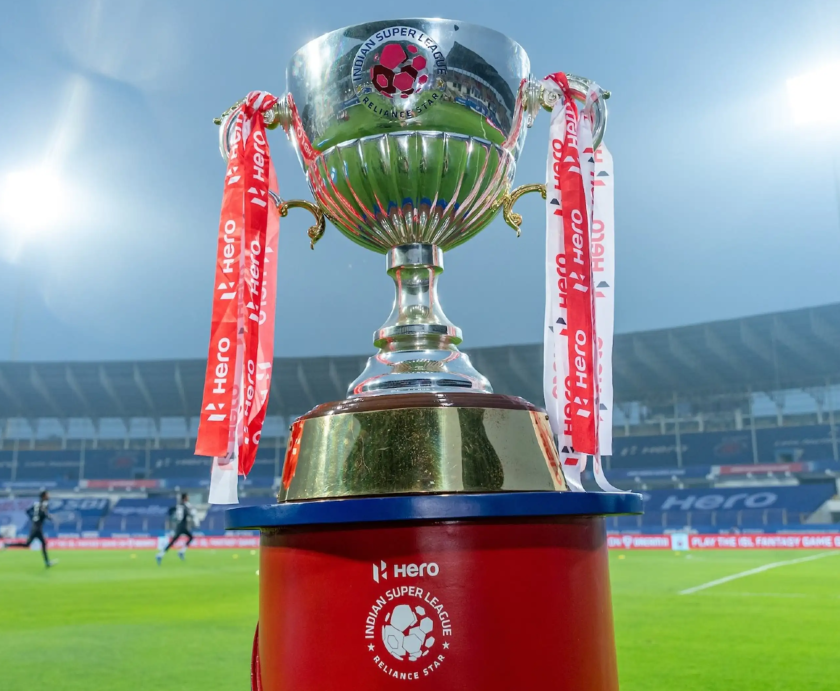
The Growing Popularity of Football in India: Can the Indian Super League Compete Globally? Football in India has undergone a remarkable transformation over the past decade. Once overshadowed by cricket’s massive dominance, the sport is now gaining steady momentum, driven by grassroots development, international exposure, and the rise of the Indian Super League (ISL). The big question, however, remains—can India’s top football league compete on the global stage? The Rise of Football Culture in India Football has always had pockets of passionate fan bases in regions like West Bengal, Goa, and Kerala. Clubs such as Mohun Bagan Super Giant and East Bengal FC have rich histories dating back decades. In recent years, the sport has expanded beyond these traditional strongholds. The influence of global leagues like the English Premier League and international stars has inspired a younger generation of Indian fans. With easy access to live matches via digital platforms, football has become a mainstream sport among urban youth. The Emergence of the Indian Super League Launched in 2014, the ISL revolutionized Indian football by introducing a franchise-based model similar to the Indian Premier League. With better marketing, celebrity team owners, and international players, the league quickly captured attention. Clubs like Kerala Blasters FC and Mumbai City FC have built strong fan bases, regularly attracting large crowds and high TV viewership. The ISL has also improved professionalism in Indian football—better stadiums, coaching standards, and youth academies are gradually raising the quality of the game. Key Challenges in Competing Globally Despite its rapid growth, the ISL still faces significant hurdles before it can match global football leagues: Signs of Progress There are encouraging signs that Indian football is moving in the right direction. The national team has improved its rankings over the years, and players like Sunil Chhetri have gained international recognition. Additionally, collaborations with foreign coaches and participation in continental tournaments are helping Indian clubs and players gain valuable experience. The Role of Youth and Grassroots Programs Initiatives by the All India Football Federation and private academies are focusing on identifying and nurturing young talent. Programs at the school and district levels are essential for building a strong football foundation. If sustained, these efforts could produce a new generation of technically skilled and physically competitive players. Can the ISL Compete Globally? In its current form, the ISL is still far from competing with elite leagues like the English Premier League or Spain’s La Liga. However, that doesn’t mean the goal is unrealistic. The ISL’s real competition, at least in the short term, lies with emerging Asian leagues such as Japan’s J-League or Australia’s A-League. With consistent investment, better youth systems, and increased international exposure, the ISL could become one of Asia’s top football leagues. The Road Ahead For Indian football to truly rise, a long-term vision is essential. This includes: Conclusion Football in India is no longer a niche sport—it is a growing movement. The Indian Super League has played a crucial role in this transformation, bringing visibility, professionalism, and excitement to the game. While global competition remains a distant goal, the progress made so far is undeniable. With the right investments and long-term planning, India has the potential to become a significant force in world football.

The Growing Popularity of Football in India: Can the Indian Super League Compete Globally? Read Post »

India’s Olympic Journey: From Struggles to Global Recognition
Sports

India’s Olympic Journey: From Struggles to Global Recognition

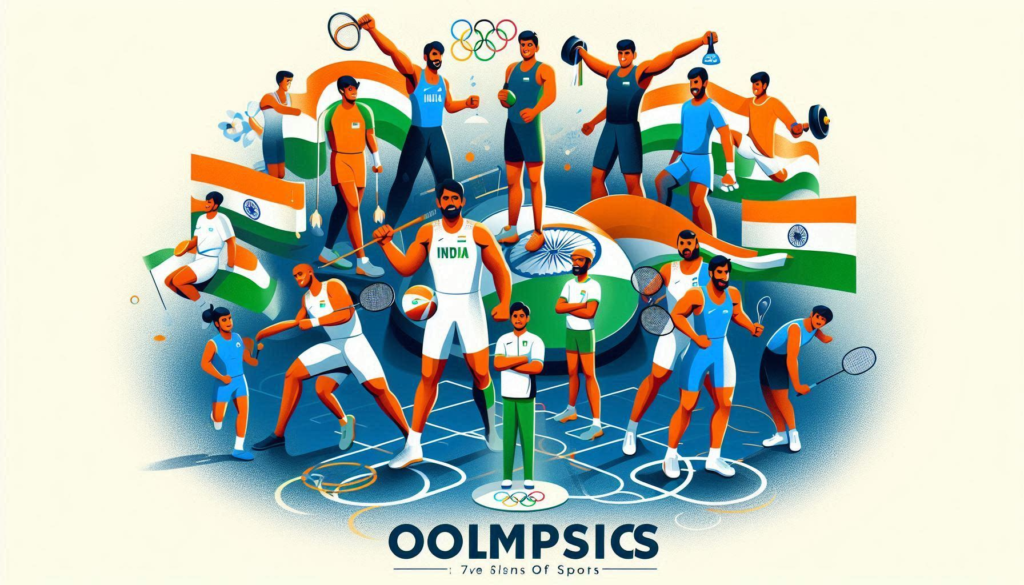
India’s Olympic Journey: From Struggles to Global Recognition India’s journey in the Olympic Games is a story of perseverance, resilience, and gradual transformation. From a modest beginning with limited success to emerging as a competitive force on the global stage, the country’s Olympic narrative reflects both its challenges and its growing sporting ambitions. Early Years: A Slow Start India made its Olympic debut at the 1900 Summer Olympics, where Norman Pritchard won two silver medals in athletics. Despite this early success, India struggled to make a consistent impact in the following decades. However, a golden era soon followed in field hockey. Between 1928 and 1956, India dominated the sport, winning six consecutive gold medals. Legendary players like Dhyan Chand became symbols of excellence, earning global admiration and putting India firmly on the Olympic map. Post-Independence Challenges After independence in 1947, India continued to perform well in hockey but struggled in other sports. The lack of infrastructure, funding, and professional training systems hindered the country’s ability to produce world-class athletes across disciplines. For several decades, India’s Olympic medal tally remained limited, with occasional successes such as Leander Paes winning a bronze medal in tennis at the 1996 Summer Olympics. Turning Point: The Rise of Individual Excellence The 21st century marked a turning point in India’s Olympic journey. Athletes began to break barriers and excel in diverse sports beyond hockey. A historic moment came at the 2008 Summer Olympics when Abhinav Bindra won India’s first individual Olympic gold medal in shooting. This achievement inspired a new generation of athletes and highlighted the importance of investment in sports science and infrastructure. Subsequent Olympics saw remarkable performances from athletes like Mary Kom, Saina Nehwal, and P. V. Sindhu, who brought home medals and recognition. The Golden Moment: Neeraj Chopra’s Triumph India reached a new milestone at the 2020 Summer Olympics (held in 2021), when Neeraj Chopra won a gold medal in javelin throw. This was India’s first-ever Olympic gold in athletics, a moment that captured the imagination of the entire nation. Chopra’s victory symbolized a shift in India’s sporting landscape—showing that Indian athletes could compete and win in track and field events traditionally dominated by other nations. Growing Support and Infrastructure India’s recent Olympic success can be attributed to improved infrastructure, government initiatives, and private support. Programs like Khelo India and Target Olympic Podium Scheme (TOPS) have played a crucial role in identifying and nurturing talent. Additionally, corporate sponsorships, better coaching facilities, and exposure to international competitions have significantly enhanced athletes’ performance levels. Future Prospects: A Rising Sporting Nation India’s performance at recent Olympics indicates a promising future. With a young population, increasing awareness about sports, and a growing culture of fitness, the country is poised to achieve greater success. Emerging athletes in wrestling, boxing, athletics, and badminton continue to push boundaries. The focus is now shifting towards building a sustainable sports ecosystem that can consistently produce Olympic champions. Conclusion India’s Olympic journey is no longer defined by struggle alone—it is now a story of determination, progress, and global recognition. From the dominance of hockey legends like Dhyan Chand to the modern-day heroics of Neeraj Chopra, the nation has come a long way. As India continues to invest in sports and nurture talent, the dream of becoming a top Olympic nation seems increasingly within reach. The journey is ongoing, but the direction is clear—towards excellence, pride, and a stronger presence on the world stage.

India’s Olympic Journey: From Struggles to Global Recognition Read Post »

Scroll to Top