June 2026

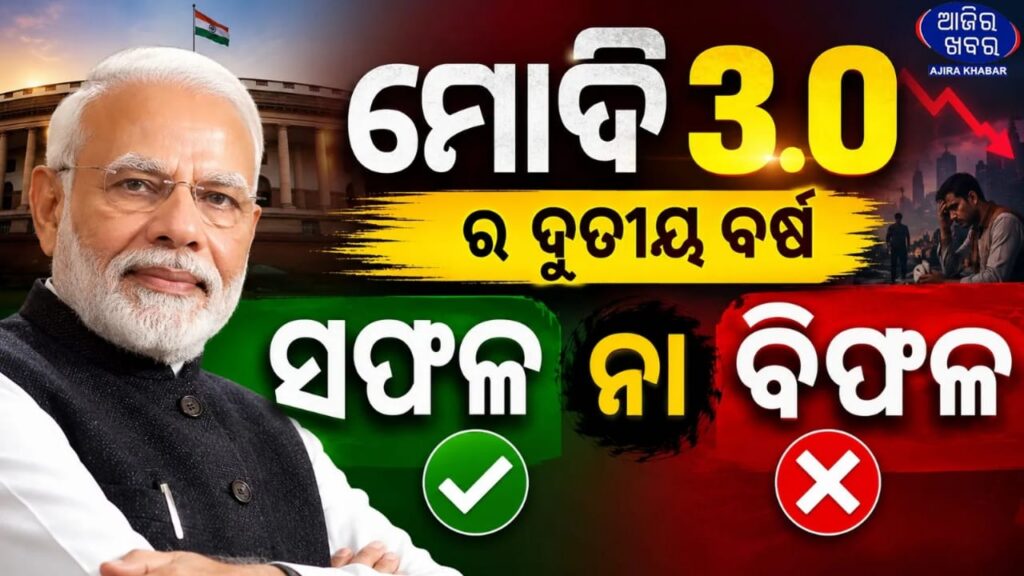
From Welfare to Global Leadership: Celebrating 12 Years of the Modi Government
Politics

From Welfare to Global Leadership: Celebrating 12 Years of the Modi Government

From Welfare to Global Leadership: Celebrating 12 Years of the Modi Government June 9 marks a significant milestone in India’s political journey. It was on this day that Prime Minister Narendra Modi took office for a third consecutive term, extending a leadership tenure that has now completed 12 years at the helm of the world’s largest democracy. Over the past decade and more, the Modi government has pursued an agenda centered on welfare, development, governance reforms, and India’s growing role on the global stage. From improving the lives of millions through social welfare schemes to enhancing India’s international standing, the last 12 years have been transformative in many ways. Welfare at the Core of Governance One of the defining features of the Modi government’s approach has been its emphasis on welfare-driven governance. Several flagship schemes have focused on improving the lives of economically weaker sections of society. The Pradhan Mantri Garib Kalyan Anna Yojana (PMGKAY) has provided free food grains to millions of beneficiaries, ensuring food security for vulnerable households. Similarly, the Pradhan Mantri Awas Yojana (PMAY) has enabled millions of families to access permanent housing, improving living conditions across urban and rural India. Financial inclusion has also been a major focus through initiatives such as Jan Dhan Yojana, which brought millions of previously unbanked citizens into the formal banking system. Empowering Women Across India Women’s empowerment has remained a central pillar of government policy. The Pradhan Mantri Ujjwala Yojana transformed the lives of rural women by providing LPG connections, reducing dependence on traditional cooking fuels and improving household health conditions. Efforts to promote women’s participation in entrepreneurship, education, and governance have also gained momentum. These initiatives have aimed to enhance economic independence and strengthen the role of women in India’s development story. Revolutionizing Healthcare and Agriculture Healthcare reforms have played a key role in expanding access to medical services. Ayushman Bharat, one of the world’s largest public health insurance programs, has provided financial protection to millions of families facing costly medical treatments. The agricultural sector has also witnessed significant policy attention. Through schemes such as PM-Kisan, direct financial support has been extended to farmers, helping improve agricultural productivity and rural incomes. Driving Economic Growth and Digital Transformation India’s economic trajectory has been marked by major reforms and technological advancements. The rapid adoption of digital payments, particularly through the Unified Payments Interface (UPI), has revolutionized financial transactions and accelerated the country’s digital economy. Government initiatives such as Digital India, Startup India, and Make in India have sought to promote innovation, entrepreneurship, and manufacturing growth. These efforts have contributed to India’s emergence as one of the world’s fastest-growing major economies. India’s Rising Global Profile Beyond domestic achievements, the Modi government has focused on strengthening India’s position in global affairs. India has expanded its diplomatic engagement, strengthened strategic partnerships, and played an increasingly active role in international forums. From hosting major global events to advocating for the interests of developing nations, India has projected itself as a confident and influential voice on the world stage. The country’s growing economic strength, technological capabilities, and diplomatic outreach have enhanced its international standing. Challenges and the Road Ahead Like every government, the Modi administration has faced challenges, including economic pressures, employment concerns, and global uncertainties. As India moves forward, sustaining growth, generating jobs, improving social outcomes, and ensuring inclusive development will remain key priorities. The coming years will test how effectively the government can build upon the foundations laid over the past 12 years while addressing emerging challenges in a rapidly changing world. Twelve years of the Modi government represent a period of significant political continuity and policy-driven governance. From welfare initiatives aimed at uplifting the poor to efforts that have elevated India’s global influence, the journey reflects an ambitious vision for the nation’s future. As India enters the next phase of its development story, the impact of these reforms and initiatives will continue to shape the country’s economic, social, and geopolitical trajectory for years to come.

From Welfare to Global Leadership: Celebrating 12 Years of the Modi Government Read Post »
Cockroach Janata Party: Baijayant Panda’s Master Plan for Odisha’s Top Job?
Odisha, Politics, Trending

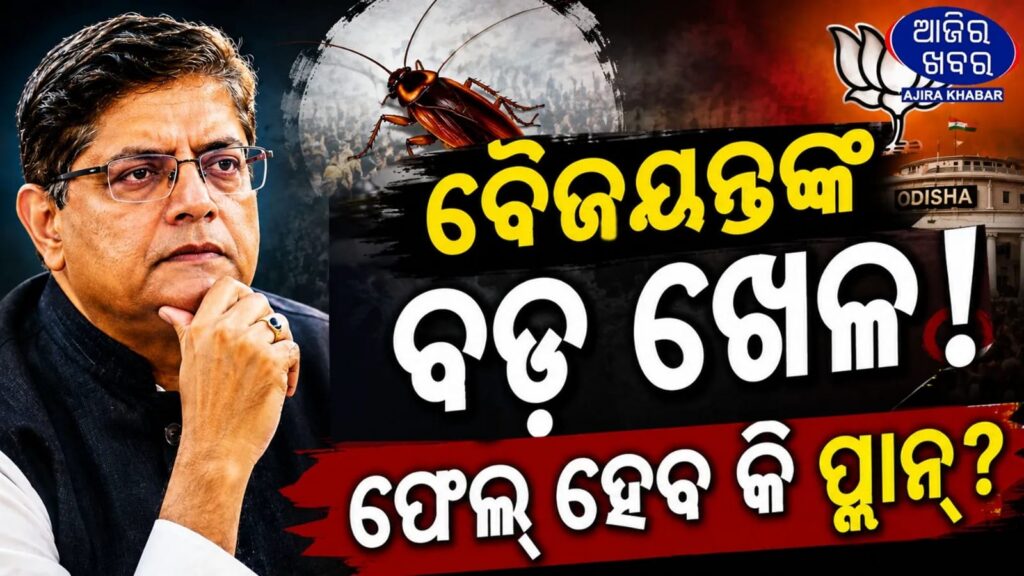
Cockroach Janata Party: Baijayant Panda’s Master Plan for Odisha’s Top Job?

Cockroach Janata Party: Baijayant Panda’s Master Plan for Odisha’s Top Job? The term “Cockroach Janata Party” has suddenly become one of the most talked-about political phrases in Odisha. What started as a social media trend has now evolved into a subject of intense political debate, with many questioning whether there is a larger political strategy behind the campaign. At the center of this discussion is BJP MP Baijayant “Jay” Panda, a veteran politician who has remained a significant figure in Odisha politics for more than two decades. Once a prominent leader of the Biju Janata Dal (BJD), Panda later joined the Bharatiya Janata Party (BJP), a move that many political observers viewed as part of his long-term political ambitions. Following his victory from Kendrapara in the 2024 Lok Sabha elections, Panda’s influence within the BJP appeared to strengthen further. However, despite speculation surrounding a possible ministerial berth in Prime Minister Narendra Modi’s third term, Panda did not make it into the Union Cabinet. This development fueled fresh discussions about his future political plans and whether his focus may now be shifting more toward Odisha politics. Against this backdrop, the emergence of the “Cockroach Janata Party” narrative has drawn widespread attention. Critics allege that the issue is being amplified through social media and sections of the media landscape to shape a favorable political atmosphere. Supporters, however, argue that the discussion reflects genuine public sentiment and political dissatisfaction. The larger question remains: Can a viral social media campaign translate into real political capital? Political history suggests that online popularity alone is rarely enough to determine electoral success. Odisha’s voters have traditionally prioritized leadership, governance, development, and local issues over digital trends. While social media can influence public discourse and create narratives, converting online engagement into votes requires strong grassroots organization and public trust. For Baijayant Panda, the debate presents both opportunities and risks. If the campaign succeeds in positioning him as a prominent alternative voice in Odisha politics, it could strengthen his standing within the state’s political landscape. However, if voters perceive the narrative as an artificial or overly aggressive political exercise, it could backfire and damage his image. As Odisha’s political environment continues to evolve following the historic 2024 elections, the “Cockroach Janata Party” controversy has become more than just a viral topic. It has opened a broader conversation about leadership ambitions, media influence, and the future direction of state politics. Whether this trend ultimately becomes a stepping stone toward greater political influence or fades as another short-lived social media phenomenon remains to be seen. For now, one thing is certain: the political spotlight remains firmly fixed on Baijayant Panda and the role he may play in shaping Odisha’s future.

Cockroach Janata Party: Baijayant Panda’s Master Plan for Odisha’s Top Job? Read Post »

June 4, 2024: The Historic Mandate That Ended BJD’s 24-Year Rule and Redefined Odisha Politics
Odisha, Politics

June 4, 2024: The Historic Mandate That Ended BJD’s 24-Year Rule and Redefined Odisha Politics

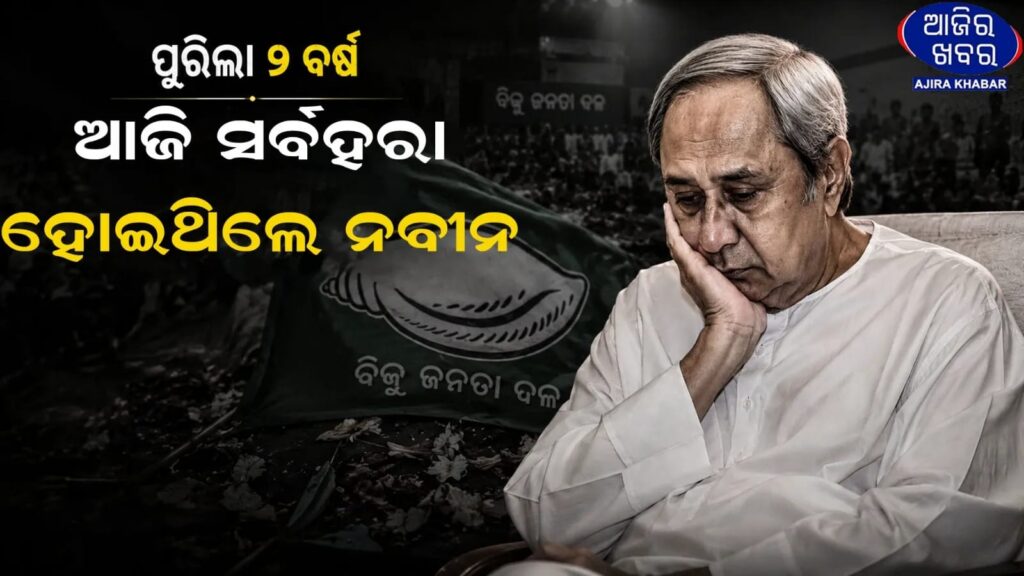
June 4, 2024: The Historic Mandate That Ended BJD’s 24-Year Rule and Redefined Odisha Politics Bhubaneswar: June 4, 2024, will forever remain one of the most significant dates in Odisha’s political history. It was the day when the state witnessed a dramatic shift in its political landscape, bringing an end to the uninterrupted 24-year rule of the Biju Janata Dal (BJD) and paving the way for the Bharatiya Janata Party (BJP) to form the government on its own for the first time in the state. From the early hours of the morning, all eyes were fixed on the vote-counting process. Television channels, digital platforms, and social media were abuzz with speculation and analysis. The question dominating every discussion was simple yet historic: Who would govern Odisha next? As counting progressed, the political mood in the state began to change. For years, many believed that BJD supremo and former Chief Minister Naveen Patnaik would once again lead his party to victory. Having governed Odisha since 2000, Naveen Patnaik had become synonymous with stability and continuity in the state’s politics. However, the trends emerging from counting centers across Odisha indicated a different story. With each passing round, the BJP steadily strengthened its position, while the BJD found itself struggling to maintain its dominance. What initially appeared to be a closely fought contest gradually transformed into a decisive mandate for change. By the end of the day, the verdict was clear: Odisha had chosen a new political direction. The BJP’s victory was historic on multiple fronts. Not only did it secure enough seats to form the government independently, but it also succeeded in dismantling one of the strongest regional political strongholds in the country. The result marked the end of an era that had lasted nearly a quarter of a century and opened the door to a new chapter in Odisha’s governance. For the BJP, the mandate represented years of organizational efforts, grassroots expansion, and growing voter support. For the BJD, the defeat came as a major setback, ending a remarkable political journey that had shaped Odisha’s development and administration for more than two decades. Beyond the numbers, the 2024 verdict symbolized a significant transformation in voter sentiment. It reflected the electorate’s desire for change and demonstrated that even the most established political forces are not immune to the evolving aspirations of the people. Today, as Odisha marks one year since that landmark election result, June 4 continues to be remembered as a turning point in the state’s political narrative. The day not only altered the balance of power but also redefined the future course of Odisha politics. Whether viewed as the end of an era or the beginning of a new one, June 4, 2024, stands as a historic moment that changed the direction and destiny of Odisha’s political landscape forever.

June 4, 2024: The Historic Mandate That Ended BJD’s 24-Year Rule and Redefined Odisha Politics Read Post »

Will K. Annamalai Follow Vijay’s Path?
Politics

Will K. Annamalai Follow Vijay’s Path?

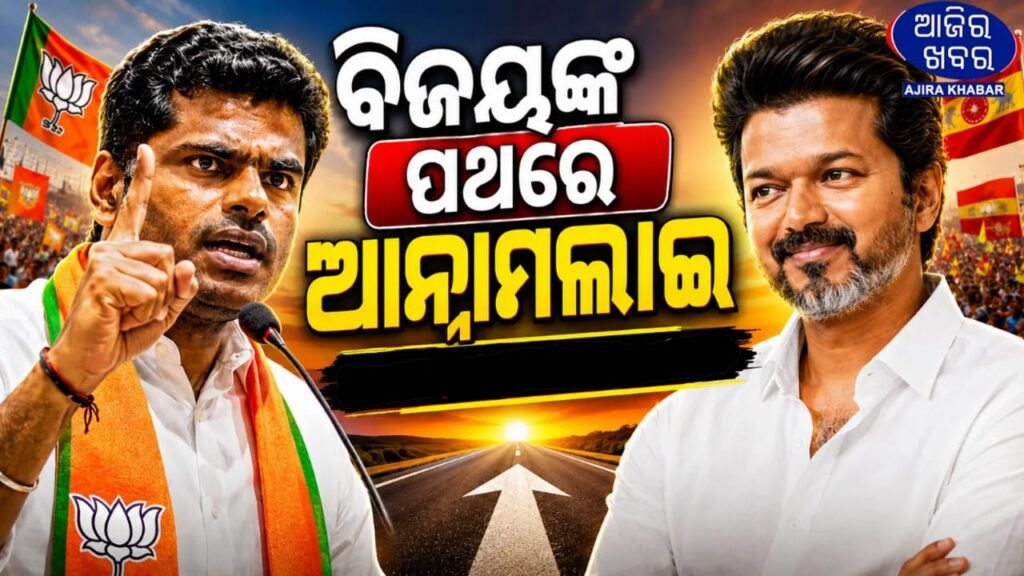
Will K. Annamalai Follow Vijay’s Path? Tamil Nadu Politics Buzzes with Speculation Over BJP Leader’s Next Move Tamil Nadu’s political landscape is once again witnessing intense speculation, this time centered around former BJP Tamil Nadu president K. Annamalai. Recent reports regarding his alleged resignation letter and growing discussions about his future political plans have sparked widespread debate across social media and political circles. The buzz surrounding Annamalai comes at a crucial time when Tamil Nadu politics is undergoing a significant transformation. With actor-turned-politician Vijay entering the political arena and positioning himself as an alternative to the state’s traditional political forces, many observers are wondering whether Annamalai could be preparing to chart a similar course. According to reports, Annamalai has submitted a detailed five-page resignation letter to the BJP leadership in New Delhi. While there has been no official confirmation regarding the formation of a new political party, discussions within political circles suggest that the former BJP leader may be exploring the possibility of launching an independent political platform in Tamil Nadu. Sources indicate that such a party could focus on a “Tamil-first” approach while maintaining a broader national outlook. The proposed political platform is expected to position itself as an alternative not only to the BJP but also to Tamil Nadu’s dominant Dravidian parties, DMK and AIADMK. Political analysts believe that Annamalai’s reported dissatisfaction with alliance politics and certain strategic decisions within the BJP may have contributed to the current situation. As Tamil Nadu gears up for the 2026 Assembly elections, internal disagreements over electoral strategies and coalition arrangements have reportedly become points of contention. The emergence of Vijay as a political force has further altered the state’s political dynamics. His entry has demonstrated that voters, especially younger generations, are increasingly open to new leadership and fresh political alternatives. This changing political environment may have encouraged leaders like Annamalai to reassess their political future. Unlike traditional Dravidian politics, which has largely revolved around language and regional identity, today’s electorate appears to be looking for governance-focused leadership capable of addressing employment, development, education, and infrastructure concerns. Annamalai’s supporters argue that he possesses the administrative experience and public appeal necessary to capitalize on this shift. Reports also suggest that Annamalai could soon launch a large-scale public outreach campaign focused on the everyday issues faced by Tamil Nadu residents. Such a movement could potentially serve as the foundation for a future political organization and help him build an independent support base across the state. However, significant challenges remain. Building a successful political party from scratch requires strong grassroots networks, organizational strength, financial resources, and sustained public support. Tamil Nadu’s political history has shown that while new parties can generate excitement, translating popularity into electoral success is far more difficult. For the BJP, any departure by a prominent leader like Annamalai would undoubtedly be a setback in a state where the party has long struggled to establish itself as a major political force. His exit could complicate the party’s efforts to expand its influence ahead of the next Assembly election. As of now, much of the discussion remains speculative. Yet one thing is certain: Tamil Nadu’s political landscape is changing rapidly. Whether K. Annamalai ultimately follows Vijay’s path by launching a new political party or chooses a different route, his next move could significantly influence the state’s political future. The coming months are likely to provide clearer answers. Until then, Tamil Nadu politics remains on high alert, watching closely as one of its most prominent political figures weighs his options.

Will K. Annamalai Follow Vijay’s Path? Read Post »

U.S. Unveils 'Master Plan' to End Israel–Hezbollah Conflict After Israel's Deepest Lebanon Incursion in 26 Years
Politics

U.S. Unveils ‘Master Plan’ to End Israel–Hezbollah Conflict After Israel’s Deepest Lebanon Incursion in 26 Years

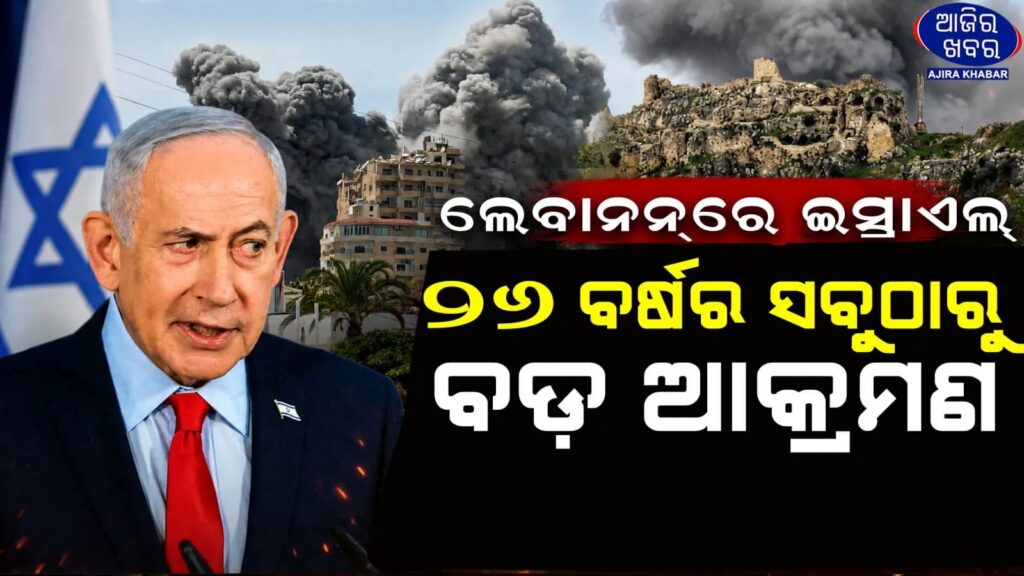
U.S. Unveils ‘Master Plan’ to End Israel–Hezbollah Conflict After Israel’s Deepest Lebanon Incursion in 26 Years Washington/Jerusalem/Beirut: As tensions in the Middle East continue to escalate, the United States has stepped forward with a major diplomatic initiative aimed at preventing a wider regional war between Israel and Hezbollah. The proposed peace plan comes after Israel carried out its deepest military incursion into Lebanon in more than two decades, raising fears of a prolonged and devastating conflict. According to international reports, Israeli forces have advanced deep into southern Lebanon and reportedly taken control of the historic Beaufort Castle, marking what analysts describe as Israel’s most significant military operation inside Lebanese territory in 26 years. The development has sparked concern across the international community, with many warning that the conflict could spiral into a broader regional confrontation. In response to the rapidly deteriorating situation, U.S. Secretary of State Marco Rubio has initiated intensive diplomatic efforts involving key regional and international stakeholders. The proposed American “master plan” is designed to bring an immediate halt to hostilities and create conditions for a lasting ceasefire. Under the reported framework, Hezbollah would be required to completely cease its rocket and drone attacks against Israel. In return, the United States would press Israel to halt its military operations and gradually withdraw its forces from Lebanese territory. The proposal seeks to establish a mutually agreed de-escalation process that could prevent further bloodshed and destruction. The primary objective of the initiative is to stop the conflict from expanding into a full-scale war. Washington hopes that Hezbollah will pull back from sensitive border regions, allowing stability to return to the Israel-Lebanon frontier. U.S. officials believe that reducing military activity along the border is essential to restoring calm and preventing further civilian casualties on both sides. The conflict between Israel and Hezbollah has intensified in recent months, with frequent exchanges of fire, drone strikes, and missile attacks increasing fears of a broader Middle East crisis. The latest Israeli military advance has further heightened concerns about the possibility of a prolonged confrontation. Diplomatic observers note that the success of the American proposal will largely depend on whether both Israel and Hezbollah are willing to make concessions. While discussions are reportedly underway at the highest levels, neither side has publicly committed to the framework. As negotiations continue, the world is closely watching developments in the region. A successful agreement could mark a significant breakthrough in one of the Middle East’s most volatile conflicts. However, failure to reach a compromise could lead to further escalation, with potentially serious consequences for regional and global security. For now, all eyes remain on the ongoing diplomatic efforts as the United States attempts to broker peace between two long-standing adversaries and prevent another major conflict in the Middle East.

U.S. Unveils ‘Master Plan’ to End Israel–Hezbollah Conflict After Israel’s Deepest Lebanon Incursion in 26 Years Read Post »

RCB Retain IPL Crown with Dominant Win Over Gujarat Titans
Sports

RCB Retain IPL Crown with Dominant Win Over Gujarat Titans

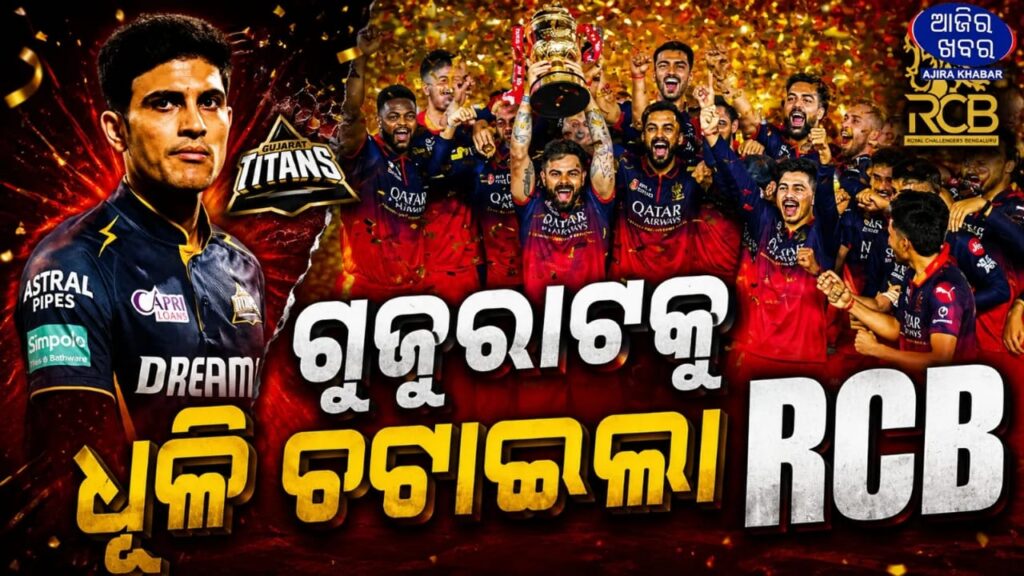
RCB Retain IPL Crown with Dominant Win Over Gujarat Titans Royal Challengers Bengaluru (RCB) have etched their names into Indian Premier League history by clinching their second consecutive IPL title. The Bengaluru franchise successfully defended their championship crown after defeating Gujarat Titans by five wickets in a thrilling final at the Narendra Modi Stadium in Ahmedabad. The victory marks another golden chapter in RCB’s journey, with star batter Virat Kohli once again proving why he is regarded as one of the greatest players in the history of the tournament. Gujarat Titans Post a Modest Total After winning the toss and opting to bat first, Gujarat Titans struggled to build momentum against a disciplined RCB bowling attack. The team managed to score 155/8 in their allotted 20 overs. Washington Sundar emerged as the lone bright spot for Gujarat, playing a fighting half-century under pressure. However, the rest of the batting lineup failed to capitalize, with regular wickets preventing the Titans from posting a challenging total. Kohli Leads the Chase with a Masterclass Chasing 156 for victory, RCB got off to a flying start thanks to openers Virat Kohli and Shreyas Iyer. The duo attacked the Gujarat bowlers from the outset, maintaining a scoring rate close to ten runs per over. Iyer played a blistering knock of 32 runs off just 16 deliveries before being dismissed, giving RCB an ideal platform for the chase. However, the middle order briefly faltered as Devdutt Padikkal, Rajat Patidar, Krunal Pandya, and Tim David departed in quick succession, raising hopes of a Gujarat comeback. The King Stands Tall With wickets falling at the other end, Virat Kohli anchored the innings brilliantly. Displaying composure, experience, and class, the former RCB captain guided his team through the pressure moments. Kohli remained unbeaten on 75 runs, producing a match-winning innings that ensured RCB crossed the finish line with 12 balls to spare. His remarkable knock will undoubtedly be remembered as one of the defining performances in IPL final history. Individual Honours Shine Bright While RCB celebrated the championship, several individual stars also enjoyed a memorable season. Young sensation Vaibhav Suryavanshi finished as the tournament’s highest run-scorer with an impressive tally of 776 runs, earning the prestigious Orange Cap. Meanwhile, South African speedster Kagiso Rabada claimed the Purple Cap after an outstanding campaign that saw him pick up 29 wickets, making him the season’s leading wicket-taker. Fans Celebrate Across the Country The historic achievement has sparked celebrations among RCB supporters across India. Social media platforms have been flooded with congratulatory messages, videos, and tributes as fans rejoice in witnessing their team lift the trophy for the second year in a row. For Virat Kohli and Royal Challengers Bengaluru, this triumph is more than just another title—it is a testament to consistency, resilience, and the unwavering spirit that has defined the franchise in recent years. As the celebrations continue, one thing is certain: RCB’s successful title defence and Kohli’s unforgettable unbeaten 75 will be remembered as one of the most iconic moments in IPL history.

RCB Retain IPL Crown with Dominant Win Over Gujarat Titans Read Post »

Scroll to Top